Home 5 Articles and Reports 5 Women in Emirati Literature: A Voice of Empowerment and Change

Women in Emirati Literature: A Voice of Empowerment and Change

Emirati literature has increasingly become a platform where the voices and experiences of women are highlighted, reflecting their pivotal role in society. Over the past few decades, novels written by both male and female Emirati authors have delved deeply into the lives, struggles, and triumphs of women in the UAE, showcasing their resilience, intelligence, and contributions to the nation’s progress.


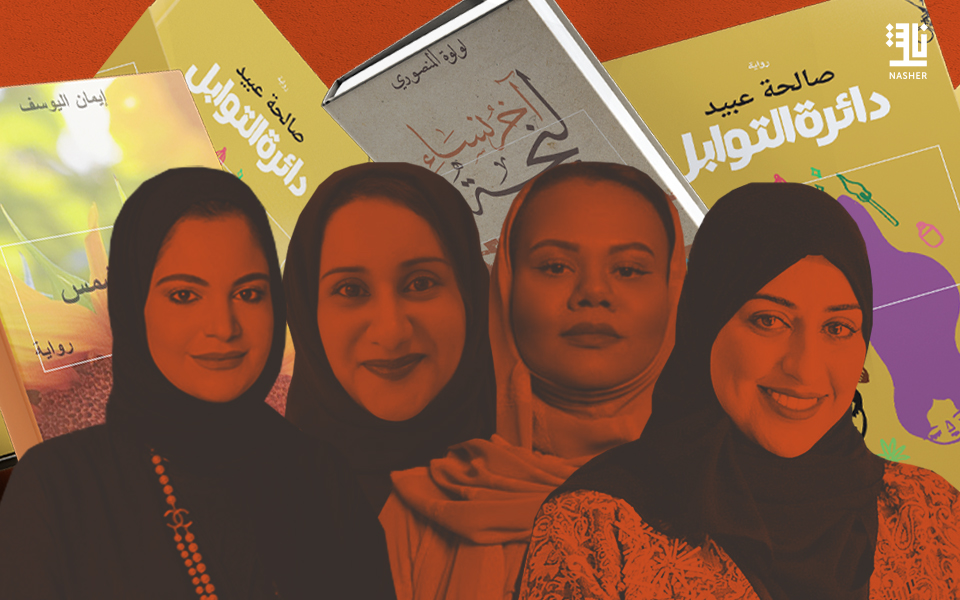
Notable Emirati female authors, such as Maisoon Saqer, Lulwa Al Mansouri, Salha Obeid and Nadia Al Najjar have emerged as powerful storytellers, portraying complex female characters who challenge traditional norms and carve out spaces for themselves in both the public and private spheres. Their narratives often explore themes of identity, tradition, and the pursuit of education, reflecting the evolving role of women in Emirati society.


Through these novels, the role of women is not just confined to domestic spheres but extends to arenas such as business, education, and leadership, illustrating the dynamic and multifaceted nature of their contributions. The literature also reflects the balancing act that Emirati women perform between modernity and tradition, embodying a cultural transition that is both respectful of heritage and forward-looking.


Emirati literature, by giving voice to women’s stories, has become an essential part of the cultural dialogue, helping to shape a more inclusive and diverse understanding of the nation’s identity. These novels are not just stories; they are narratives of empowerment, advocating for the recognition and celebration of women’s roles in the continued development of the UAE.
 

Recent News

23Sep
Singapore Will Pay You to Read

Singapore Will Pay You to Read

Singapore is paying its citizens to pick up a book for 15 minutes a day under a new five-year national programme to fight brain rot and strengthen the country’s reading culture. Under the scheme, readers accrue points that can be redeemed for a few cents. People will have to log 50 daily reading sessions on […]

22Sep
What Happens to David Walliams’s Backlist Now?

What Happens to David Walliams’s Backlist Now?

HarperCollins is set to phase out remaining copies of David Walliams’s books after announcing last year that they would no longer publish him. The book publisher said last year that it had dropped the children’s author following reports that he was accused of behaving inappropriately towards young women. Walliams strongly denies any claims and said […]

10Sep
Are Natalie Portman and “M” the Same Person?

Are Natalie Portman and “M” the Same Person?

One of the most talked about literary releases of the year, is “Life of M”, the new novel by critically acclaimed and award-winning British author Rachel Cusk. Known for her novels “The Lucky Ones”, the Outline Trilogy (“Outline”, “Transit” and “Kudos”), “Second Place”, as well as the Goldsmiths Prize-winning book “Parade”, Cusk’s name isn’t one […]

Related Posts

Why is Global Publishing Turning to Sharjah?

Why is Global Publishing Turning to Sharjah?

Sharjah's rise to the forefront of the global cultural landscape was neither a matter of chance nor the result of isolated achievements. It is the outcome of a far-reaching cultural vision founded on the belief that culture is not merely a complement to development,...

What’s Really Behind the “Bestseller” Label?

What’s Really Behind the “Bestseller” Label?

Sometimes, all it takes is the word “bestseller” on a book cover for its success to appear settled beyond question. The label compresses the choices of thousands of readers into a single claim and pushes the book to the forefront. Yet behind it lies a far more...

Did Borges Enter the Digital Labyrinth Before Us?

Did Borges Enter the Digital Labyrinth Before Us?

On 24 August 1899, a writer was born in Buenos Aires, the Argentine capital, who would spend his life among books, labyrinths, mirrors and questions without end. Jorge Luis Borges never knew the internet, never saw a smartphone screen or a search engine. Yet decades...

Previous Next
Close
Test Caption
Test Description goes like this