As Europe’s tourism landscape shifts toward authentic, experience-rich travel, Sofia, Bulgaria, stands apart—not with extravagance, but with quiet intellect. This is a city that doesn’t overwhelm visitors with flash. It invites them to read between the lines.
Literary tourism is on the rise worldwide, and Sofia is positioning itself—intentionally or not—as a sanctuary for readers, writers, and thinkers. Its appeal lies not in obvious attractions but in the way it lets its stories unfold naturally.
Tourism Trends Are Turning the Page:
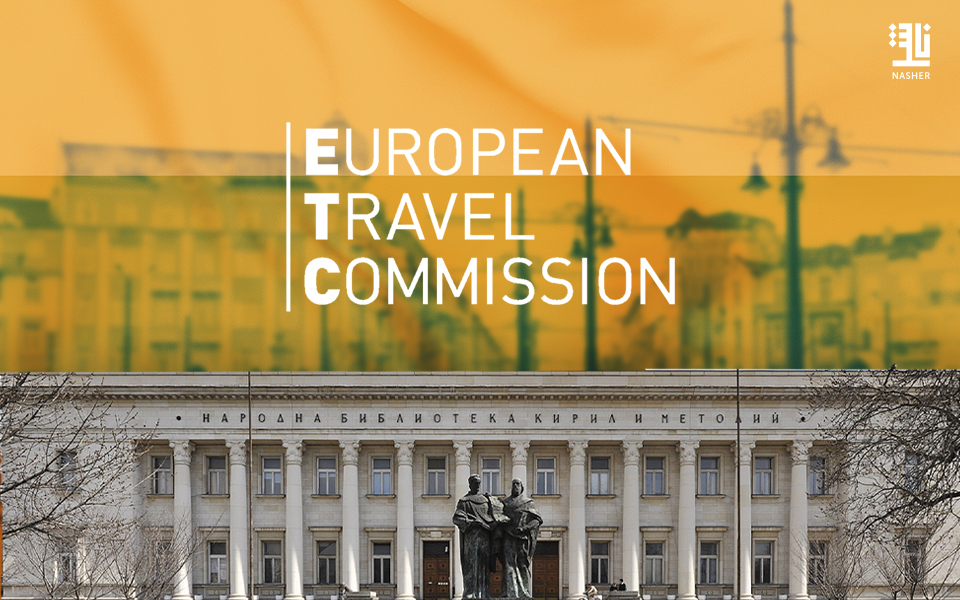
Globally, travellers are turning away from over-commercialised destinations in search of depth. According to data from the European Travel Commission, cultural and literary tourism saw a 19% growth in interest among Gen Z and Millennial travellers in the last two years.
Sofia fits perfectly into this trend.
With post-pandemic tourists seeking places of reflection, study, and creativity, the Bulgarian capital is now drawing a new kind of visitor—one that values slow travel, intellectual stimulation, and emotional connection over crowded landmarks.
The St. Cyril and Methodius National Library: A Temple of Time
Established in 1878, the St. Cyril and Methodius National Library is more than a public institution. It’s a monument to Bulgaria’s soul.
Set against the backdrop of Vitosha Mountain, the library looks like a monastery devoted to memory. Inside, ancient manuscripts, Ottoman records, and revolutionary texts quietly rest. Each hallway smells of time and testimony.
This library is becoming a central node in Bulgaria’s emerging literary tourism strategy. With support from the Ministry of Culture and EU heritage funds, preservation work and visitor programming have expanded, turning this historic space into a dynamic destination.
Reading Beneath the Trees: Grassroots Tourism Reimagined
However, Sofia’s literary life doesn’t end indoors. In South Park, something extraordinary unfolds under chestnut trees: the Library Under the Trees.
This grassroots, community-led reading space isn’t curated by officials. It’s shaped by citizens. Locals leave and borrow books freely. Elderly men sit and read heavy Russian novels, while nearby children leaf through comic books. It’s intergenerational, inclusive, and organically Bulgarian.
These community projects are reshaping the city’s tourism offerings. They’re drawing conscious travellers who crave authentic, lived culture—not choreographed experiences.
Local tourism boards are beginning to include these spaces in walking tours, offering visitors the rare chance to witness literature as lifestyle.
Sofia’s Tourism Strategy Is Rooted in Character, Not Commercials
Sofia’s tourism development isn’t fuelled by aggressive promotion. Instead, it’s guided by long-term investment in heritage, education, and public access.
In 2024, the city launched the “Literary Sofia” initiative, integrating historical libraries, bookstores, and quiet reading parks into one seamless visitor experience. Local hotels are offering themed stays and book club events, while boutique hostels cater to digital nomads in search of creativity and solitude.
Even airline operators are adjusting. Bulgaria Air and low-cost carriers like Wizz Air have increased flights to Sofia from cultural capitals such as Berlin, Vienna, and Amsterdam—capitalising on rising demand for cerebral tourism experiences.
A New Economic Chapter for Sofia’s Tourism Industry
Literary tourism is not only shaping culture—it’s also strengthening local economies.
Sofia has seen a 12% rise in tourism spending in the first quarter of 2025, with noticeable growth in cultural and niche travel markets. Cafés, bookstores, and guesthouses are seeing increased footfall from tourists engaging in literary-themed itineraries.
City planners are leveraging this momentum to expand cultural preservation projects, especially in central Sofia and the surrounding parks. The long-term goal is to integrate literary history into mainstream travel infrastructure—without sacrificing the integrity of the experience.
This includes:
Digitising rare manuscripts for interactive exhibits
Hosting seasonal literary festivals with regional authors
Supporting multilingual access to reading spaces and tours
Collaborating with European cultural cities for exchange programs
As global tourism resets its values, Sofia emerges not just as a destination but as a state of mind. It’s where stories wait to be discovered—not in neon lights, but in faded pages, whispered prayers, and the rustle of leaves above a borrowed book.