
Home 5 Articles and Reports 5 Kafka: The Master of Modern Existential Angst

Kafka: The Master of Modern Existential Angst

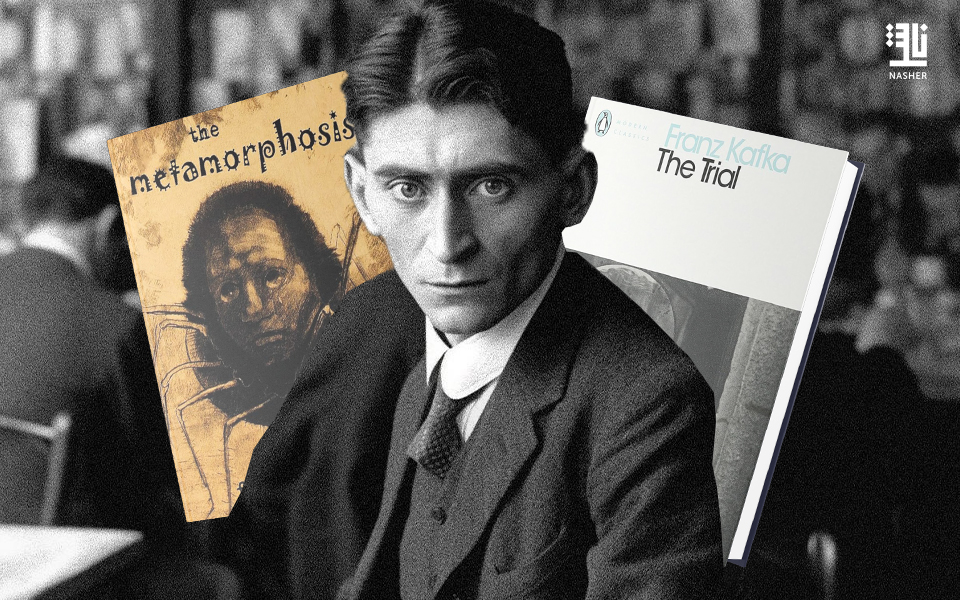
Franz Kafka, one of the most enigmatic and influential writers of the 20th century, is often regarded as the voice of modern existential anxiety. His works, particularly The Trial and The Metamorphosis, reflect the alienation and absurdity of life in an increasingly bureaucratic and impersonal world.


In The Trial, Kafka explores the theme of helplessness within a vast, faceless system. The protagonist, Josef K., is arrested for a crime he is never told about and is subjected to an endless, opaque legal process. The novel encapsulates the frustrations of navigating bureaucracies, a theme that resonates in contemporary discussions on the dehumanizing effects of modern institutions. Kafka’s portrayal of oppressive systems has made The Trial a timeless allegory for those who feel overwhelmed by the complexity and impersonal nature of contemporary life.


In The Metamorphosis, Kafka delves into the theme of personal alienation. The story of Gregor Samsa, who wakes up one morning to find himself transformed into a giant insect, highlights isolation from feeling out of place in society or within one’s own family. Samsa’s transformation serves as a metaphor for the disconnect between individual identity and societal expectations, a struggle many still grapple with today.


Kafka’s fiction is often described as “Kafkaesque,” a term used to refer to situations that are nightmarishly complex, absurd, or illogical. His works capture the existential dread of living in a world that seems indifferent to human suffering and frailty. The anxiety Kafka portrays is not just personal but systemic, reflecting the fears and frustrations of modernity.


Kafka’s ability to articulate these themes has made his work resonate with readers across generations, as his exploration of the absurdity of existence and the dehumanizing effects of modern life continues to speak to the human condition.

 

Recent News

13Jun
Marjane Satrapi Dies at 56

Marjane Satrapi Dies at 56

Marjane Satrapi, the French-Iranian artist, film-maker and graphic novelist whose acclaimed memoir Persepolis helped reshape international perceptions of Iran, has died at the age of 56. In a statement provided to French news agency AFP, relatives said she had “died of sadness” after the death of her husband, the Swedish producer Mattias Ripa. Ripa died […]

11Jun
Dua Lipa Reshapes Literary Conversations

Dua Lipa Reshapes Literary Conversations

This week, Dua Lipa got married in Sicily at a celebration that included a party staged inside a vintage bookstore, a nod to how she and actor Callum Turner first met — over the same novel. Service95, her multimedia platform, launched a book club that most people initially wrote off. The site has affiliate links […]

09Jun
Agatha Christie Exhibition Opens This October

Agatha Christie Exhibition Opens This October

‘Agatha Christie: A World of Mystery’ will open at the British Library on 30 October, marking the 50th anniversary of the author’s death. Supported by Great Western Railway and created in collaboration with Agatha Christie Limited and the Christie Archive Trust, it will run until 20 June next year. The showcase will highlight her life, […]

Related Posts

Famous Novels  that were originally self-published

Famous Novels that were originally self-published

Most people assume that the greatest books in literary history sailed smoothly through traditional publishing houses before landing on bookstore shelves. The reality vastly different. Despite the enduring narrative that depicts self-publishing as a last resort taken...

Five Polish Writers Who Redefined Literature

Five Polish Writers Who Redefined Literature

The fact that five Polish writers have won the Nobel Prize in Literature is no historical coincidence. It is the reflection of a literary tradition that has long existed on the edge of pain, upheaval, and transformation. Since the beginning of the twentieth century,...

Załuski Library in Warsaw… Books May Burn, but Ideas Do Not Die

Załuski Library in Warsaw… Books May Burn, but Ideas Do Not Die

The Załuski Library in the Polish capital, Warsaw, stands among Europe’s earliest public libraries, with origins dating to the period between 1747 and 1795, a time when books were treated as private treasures, before two men chose to open that treasure to the public....

Previous Next
Close
Test Caption
Test Description goes like this