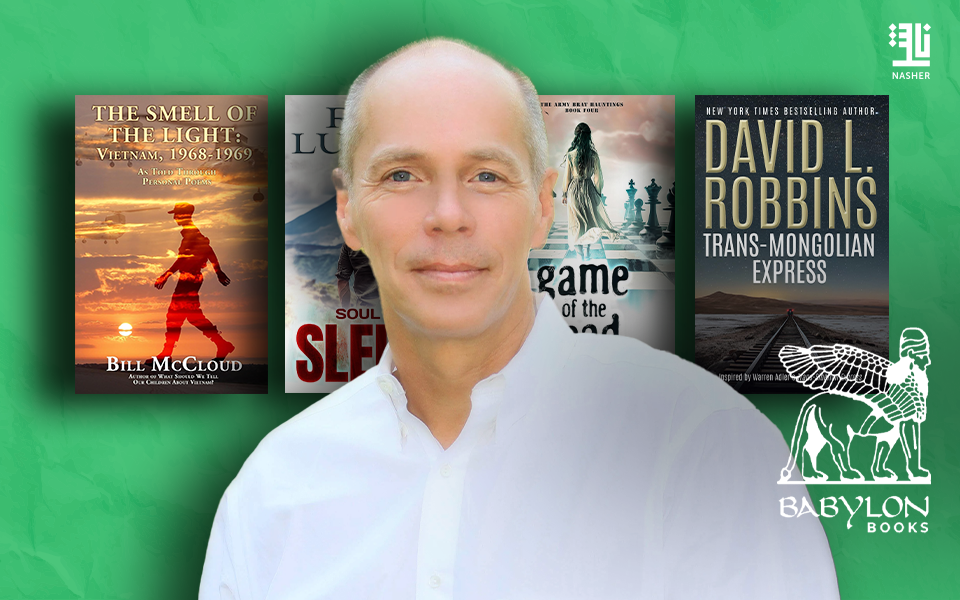

In the contemporary publishing world, a phenomenon emerges that intrigues readers and raises profound questions about the notion of authenticity in writing: ghostwriters. These are the writers who work behind the scenes, crafting books later published under the names of celebrities, politicians, or thought leaders. While readers may believe they are hearing the voice of a star or a statesman, the truth is often that the text was penned by another professional hand. This practice is not entirely new, but in recent decades it has gained remarkable momentum, particularly as publishing has evolved into an industry that often markets names more than it does texts.
Publishing houses frequently turn to ghostwriters to meet market demand quickly, producing “ready-made” works that satisfy the curiosity of audiences. Political memoirs, for instance, or the autobiographies of sports and entertainment figures, are often written at speed thanks to these writers who excel at listening, researching, and adapting. The result is a carefully curated product that carries the recognizable “voice” of its apparent author while concealing the true hand behind it. In doing so, a complex equation emerges between the need for content and the acknowledgment of individual creativity.
Yet the phenomenon is not without controversy. Some argue that relying on ghostwriters drains books of their sincerity, turning them into polished commodities rather than genuine expressions of personal experience. When a politician, for example, recounts their journey in power, readers expect an authentic voice, not words crafted by another to fit marketing strategies. Others, however, view ghostwriters as professional mediators, translating ideas from the minds of public figures into text with greater fluency and clarity, much like translators or editors do.
Interestingly, some ghostwriters have achieved a form of hidden fame despite their anonymity. A few eventually stepped into the spotlight, publishing under their own names and becoming novelists or recognized authors, while others remained loyal to the secrecy of their trade, content with lucrative pay and the satisfaction of being the “invisible pens” behind popular works. With the rise of digital publishing platforms, this profession has expanded further, as demand has surged for those who can skillfully write on behalf of others, whether in books, articles, or even political tweets.
Ultimately, the phenomenon of ghostwriting confronts us with a cultural and philosophical question: who is the true author? Is it the person who puts words on paper, or the one who provides the ideas and signs their name? In an age where industry, culture, and marketing intersect, the answer is far from straightforward. Readers may still seek an authentic voice they can trust, but the reality is that “ghosts” have become an inseparable part of modern publishing, bridging the gap between the public’s enormous appetite for content and celebrities’ limited ability, or time to write.