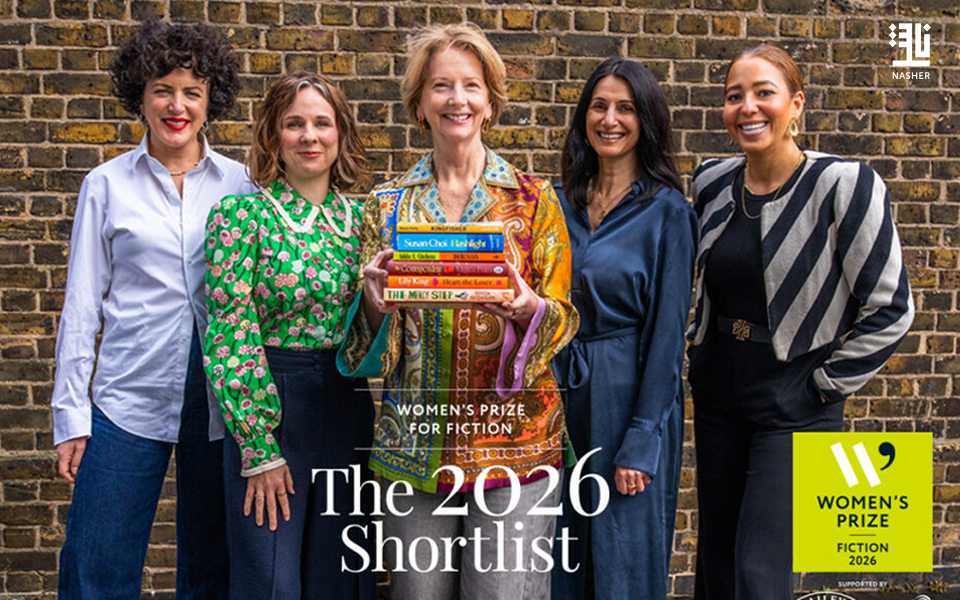
ix novels which each “interrogate the wealth of roles women play in society” have been shortlisted for the 2026 Women’s Prize for Fiction.
The shortlist includes the debut novels of four authors, including British writers Rozie Kelly and Marcia Hutchinson, along with two established, acclaimed American novelists, Susan Choi and Lily King.
The winner will be awarded £30,000 and a statuette known as “the Bessie” at the Women’s Prize Trust’s summer party in London on June 11.
The Women’s Prize Trust, which organises the awards, said the shortlist “spans an incredible breadth of themes, geographies, time periods, and literary styles”.
“The six shortlisted novels each interrogate the wealth of roles women play in society, the power they hold, and the extent to which they choose, or are able, to wield it.”
The novels include Dominion by American writer Addie E Citchens, which explores “black womanhood” in a family and community in the American South and is told from the perspective of two women who are connected by their son and boyfriend.
The Correspondent by Virginia Evans, who is also American, “showcases the power of written communication and storytelling for a 73-year-old protagonist, Sybil, who confronts the hubris of youth with the wisdom of old age”.
Hutchinson’s The Mercy Step is inspired by the author’s childhood in 1960s Bradford, West Yorkshire, and follows protagonist Mercy’s life from being born up to the age of 11.
Choi is shortlisted for Flashlight, a “sprawling historical family saga propelled by a father’s disappearance, examining the consequences of different forms of absent parents”.
Heart The Lover by King, described as an “intimate and truthful celebration of fiction that explores desire, friendship, loss and the life-long echoes of young love with the precision of poetry and the emotional tide of an epic”, completes the shortlist.
Former Australian prime minister Julia Gillard is chair of judges, with author and DJ Annie Macmanus, comedian Cariad Lloyd, poet and novelist Mona Arshi, and author and presenter Salma El-Wardany joining her on the judging panel.
Ms Gillard said: “We are delighted to present a shortlist that doesn’t shy away from examining life’s challenges, but also brings many moments of joy.
“As judges, we are first and foremost readers, and these novels intrigued and profoundly moved us.
“The plot lines kept us turning pages to find out what happens next, the characters found a place in our hearts and the stories stayed with us long after the last sentence.
“The incredible strength of the longlist challenged and delighted us, as we whittled down 16 books to this exceptional shortlist.”
Claire Shanahan, executive director of the Women’s Prize Trust, said: “The significance and experience of fiction is highly subjective and personal, but we can share in its undeniable power to hold up a lens to the realities of our world, and to connect with ourselves and each other.
“As we come together as a nation in the National Year of Reading to consider the joy of reading, we’re proud at the Women’s Prize Trust to present this delicious shortlist of excellent, original and accessible novels to readers around the world, to delve into, to enjoy and discuss.
“I offer my heartfelt thanks to the judges for their careful consideration, and congratulations to the six talented writers shortlisted.”
The prize was open to titles written in the English language and published in the UK between 1 April 2025 and 31 March 2026.
The winner will be announced on 11 June at a ceremony in London, alongside the winner of its sister award, the Women’s prize for nonfiction.
Founded in 1996, the Woman’s prize for fiction was created in response to the Booker prize’s failure to shortlist any women writers in 1991. Past winners include Zadie Smith, Barbara Kingsolver, Maggie O’Farrell and Chimamanda Ngozi Adichie.
Last year’s prize went to Dutch debut novelist Yael van der Wouden for The Safekeep, a postwar romantic and family saga set in the Netherlands, which judges praised for its “masterful blend of history, suspense and historical authenticity”.