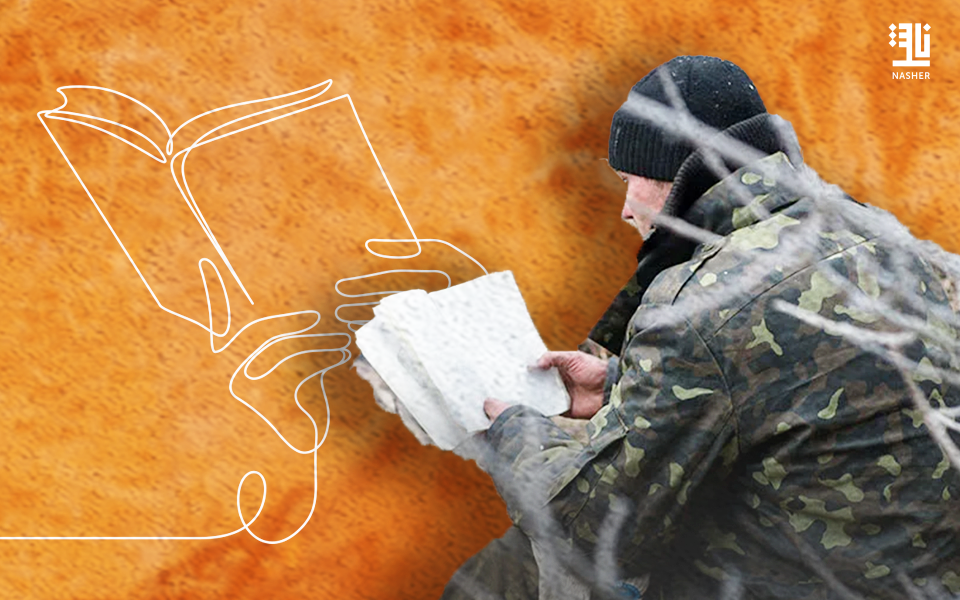
In times of war and catastrophe, when space feels constricted and anxiety grows loud, reading opens a quiet window in the wall of fear. A book may not silence the thunder of artillery, yet it steadies the trembling within and grants the mind a chance to breathe beyond the relentless churn of breaking news. Within its pages lies a sheltered space where the world can be gently reordered and clarity restored. Reading, in such moments, is not a cultural luxury but an act of survival, a way to regulate emotion and interpret reality in language less harsh than the world outside.
Psychological research suggests that immersion in narrative strengthens what is often called “cognitive containment,” enabling individuals to frame trauma within a structure that can be understood. When readers identify with a character who endures loss, displacement, or uncertainty, their own sense of isolation softens; suffering becomes shared rather than singular. Literature offers models of resilience and pathways through adversity, reminding us that pain is a passage, not a permanent fate. Through poetry, fiction, and memoir, an inner vocabulary of compassion takes shape, one that gradually replaces the rhetoric of despair with the language of hope.
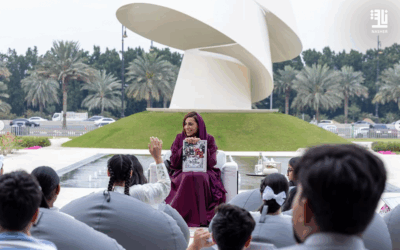
Reading also performs a social function in times of crisis, fostering connection where fragmentation threatens to prevail. In shelters, hospitals, and temporary refuges, a shared story can bridge strangers brought together by circumstance. A simple tale read aloud to children in a displacement camp may plant a fragile but vital sense of stability. Even within homes shuttered by fear, a book preserves rhythm and continuity, gathering families around a shared meaning. In this way, hope expands, from the individual to the collective, from private endurance to communal strength.
Ultimately, reading offers what emergency bulletins cannot: a horizon that extends beyond the present moment. It is a quiet assurance that history does not end with the storm, and that humanity’s memory holds countless stories of hardship transformed into wisdom. When we read amid devastation, we reaffirm our humanity and safeguard our capacity to dream. We come to believe that even a faint light can guide our steps forward. Reading is not an escape from reality; it is a deeper preparation to face it with steadiness and hope.