Home 5 Articles and Reports 5 Women in Emirati Literature: A Voice of Empowerment and Change

Women in Emirati Literature: A Voice of Empowerment and Change

Emirati literature has increasingly become a platform where the voices and experiences of women are highlighted, reflecting their pivotal role in society. Over the past few decades, novels written by both male and female Emirati authors have delved deeply into the lives, struggles, and triumphs of women in the UAE, showcasing their resilience, intelligence, and contributions to the nation’s progress.


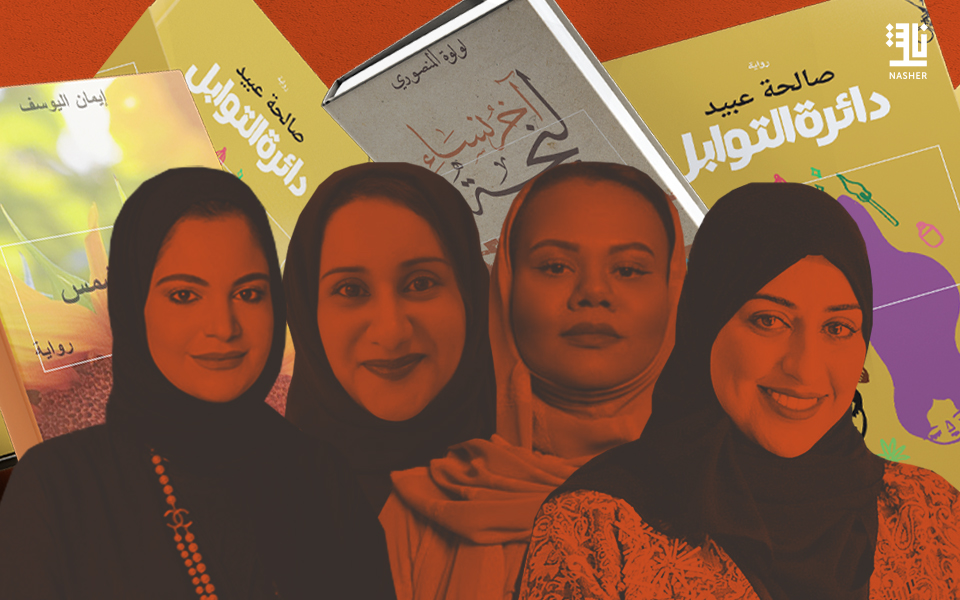
Notable Emirati female authors, such as Maisoon Saqer, Lulwa Al Mansouri, Salha Obeid and Nadia Al Najjar have emerged as powerful storytellers, portraying complex female characters who challenge traditional norms and carve out spaces for themselves in both the public and private spheres. Their narratives often explore themes of identity, tradition, and the pursuit of education, reflecting the evolving role of women in Emirati society.


Through these novels, the role of women is not just confined to domestic spheres but extends to arenas such as business, education, and leadership, illustrating the dynamic and multifaceted nature of their contributions. The literature also reflects the balancing act that Emirati women perform between modernity and tradition, embodying a cultural transition that is both respectful of heritage and forward-looking.


Emirati literature, by giving voice to women’s stories, has become an essential part of the cultural dialogue, helping to shape a more inclusive and diverse understanding of the nation’s identity. These novels are not just stories; they are narratives of empowerment, advocating for the recognition and celebration of women’s roles in the continued development of the UAE.
 

Recent News

06Feb
London Book Fair Announces New Venue

London Book Fair Announces New Venue

There is a sense of change in the air, and also a sense of deja vue.  The London Book Fair has announced that it will move to Excel in Docklands in east London in 2027, some 20 years after it made a controversial move to the same location in 2006.   The LBF said that […]

05Feb
Dar al-Saqi Withholds Mai Ghoussoub Prize 2026

Dar al-Saqi Withholds Mai Ghoussoub Prize 2026

Dar al-Saqi has announced the withholding of the Mai Ghoussoub Prize for the Novel in its fourth edition for 2026, a decision that reflects the publisher’s firm commitment to its literary and artistic standards and reaffirms its vision of the prize as a space for discovering new narrative voices and offering them a true first […]

05Feb
IPAF 2026 Shortlist Revealed

IPAF 2026 Shortlist Revealed

2026 IPAF Shortlist Celebrates the Diversity and Questions of Arabic Narrative   The International Prize for Arabic Fiction (IPAF) has announced the shortlist for its 19th edition, revealing six novels that reflect a wide spectrum of narrative experimentation and literary inquiry. The shortlisted works are The Origin of Species by Ahmad Abdulatif, Siesta Dream by […]

Related Posts

Winter and the Return to Reflective Reading

Winter and the Return to Reflective Reading

With the arrival of winter, it is not only the weather that changes, but the rhythm of life itself. The pace of days softens, the urgency of speed recedes, and we find ourselves turning inward rather than outward. In this quieter atmosphere, our relationship with...

How Does the New Generation Read Gibran Today?

How Does the New Generation Read Gibran Today?

On his birth anniversary on January 6, the name of Gibran Khalil Gibran returns to the cultural spotlight, not as a writer encountered through a complete reading experience, but as a renewed presence within the digital sphere. He is widely visible today, yet in a form...

Previous Next
Close
Test Caption
Test Description goes like this