
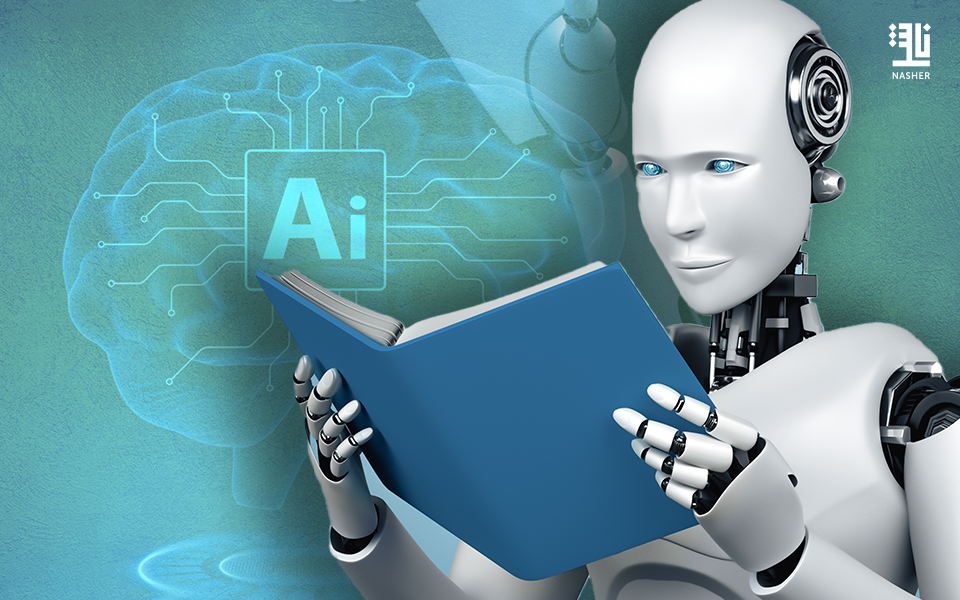
The use of what is known as “destructive scanning” by artificial intelligence companies has sparked growing concern among rare and used booksellers in Australia. It has emerged that some companies are buying physical books, removing the pages from their covers for digital scanning, and then disposing of the remnants after extracting the content. While technology companies view these books as a source of text needed to train their language models, experts consider them cultural artifacts that carry a tangible and human history that digital copies cannot preserve. A book’s value may lie in its rare edition, its original cover, the author’s signature, or notes left by a reader decades ago. Therefore, destroying it means not only losing the paper but also erasing a story that may never exist again.
These concerns intensified after US court documents revealed that the company Anthropic had purchased physical books and subsequently destroyed them as part of a process to collect text used to train artificial intelligence systems. The revelation came during a lawsuit filed by several authors against the company. The judge, however, deemed the practice legal in the context of the case, considering it a transformative use of legally purchased books. The ruling, however, did not quell the controversy; rather, it highlighted the gap between what the law permits and what cultural responsibility demands. A book may be inexpensive on the market, but it possesses historical value that transcends its price, and the copy itself may be a unique and irreplaceable testament to a time, a society, or a human experience.
Suspicions intensified after several Australian booksellers received unusual bulk purchase orders for rare and specialized titles with no apparent common interest. Some of these orders came from the Canadian company Zoom Books, via international used-book platforms, without any objection to the prices or shipping costs. The purchases included books on history, poetry, sports, and agriculture, some of which had sat on shelves for decades. While these transactions may be part of the resale trade, the randomness of the selections and the lack of transparency regarding the fate of the books have raised concerns about their potential inclusion in the data supply chains of artificial intelligence companies. Zoom Books denied digitizing or destroying books, but declined to disclose its clients, citing confidentiality agreements.
The case reveals a deeper clash between artificial intelligence’s growing appetite for data and the need to protect books as physical evidence of history and culture. As linguistic models evolve, the demand for rare and specialized books that haven’t yet been digitized increases, potentially making them tempting targets for acquisition, scanning, and destruction. While sellers don’t necessarily object to using common books of which thousands of copies exist, the danger arises when buyers fail to distinguish between a replaceable book and a unique edition with irreplaceable characteristics. This underscores the need for clear criteria that verify the rarity and value of books before they are subjected to destructive scanning, while simultaneously protecting rare and unique editions. Artificial intelligence, which aims to expand knowledge, should not be built on destroying the vessels that have preserved that knowledge over time.