Home 5 Articles and Reports 5 Omani author Zahran Alqasmi Wins IPAF for “The Water Diviner”

Omani author Zahran Alqasmi Wins IPAF for “The Water Diviner”

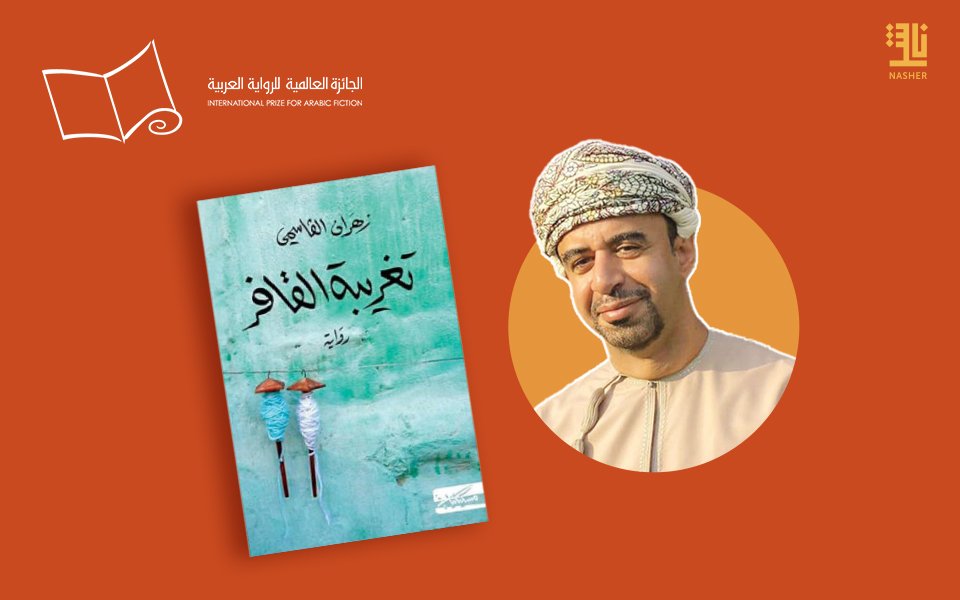
The International Prize for Arabic Fiction (IPAF) has announced that “The Water Diviner” by Zahran Alqasmi has been selected as the winner of the highly esteemed literary award for 2023. The announcement was made by Chair of Judges Mohammed Achaari during a ceremony held in Abu Dhabi, which was also streamed online to a global audience.

“The Water Diviner” mesmerized the judges with its exploration of water’s profound impact on the natural environment and human existence in hostile regions. Alqasmi’s novel skillfully blurred the boundaries between reality and myth, captivating readers with its precise structure and sensitive poetic language. Set in an Omani village, the story revolves around Salem bin Abdullah, a water diviner entrusted with uncovering hidden springs. The novel immerses readers in the world of the aflaj, an irrigation system intimately connected to village life, and reveals the duality of water as both a life-giver and a source of danger.

Zahran Alqasmi, a highly acclaimed Omani poet and novelist, made history as the first Omani author to receive the International Prize for Arabic Fiction. His distinguished literary career includes three novels, ten poetry collections, and other notable contributions to the world of literature.

In addition to the prestigious accolade, Alqasmi was awarded a prize of USD $50,000. The IPAF also committed to funding the English translation of “The Water Diviner,” opening up the opportunity for a wider international readership. The recognition and exposure generated by this esteemed award are expected to significantly elevate Alqasmi’s stature as a literary figure.

The IPAF judging panel, comprised of renowned writers, academics, and translators, meticulously evaluated the shortlist of exceptional novels from Algeria, Egypt, Iraq, Libya, Oman, and Saudi Arabia. Each of the six shortlisted finalists was awarded USD $10,000 in recognition of their outstanding contributions to Arabic literature.
 

Recent News

20Dec
When Dia Mirza Writes for Children

When Dia Mirza Writes for Children

Indian actor Dia Mirza is embarking on a new creative journey as she develops a five-book children’s series inspired by her personal experiences, values, and long-standing love for storytelling. The project marks a significant shift in her artistic path, allowing her to channel her worldview into stories crafted to spark curiosity, nurture imagination, and offer […]

18Dec
Born With a Library Card

Born With a Library Card

UK think tank the Cultural Policy Unit (CPU) has proposed giving all UK newborns a lifelong library card to boost literacy rates among children and into adulthood.   Its proposal means that membership would be linked directly to registrations of birth, meaning library cards would be waiting for newborns at their local library. Currently, parents have […]

18Dec
Epistolary Literature Reclaim its Literary Power

Epistolary Literature Reclaim its Literary Power

In an age where words rush past like lightning and messages are reduced to quick taps on glowing screens, epistolary literature returns to remind us that writing was once a slow, deep, emotion-laden act. This form of literature offers more than a topic, it reveals its writer as they truly are: fragile, sincere, or brimming […]

Related Posts

When Dia Mirza Writes for Children

When Dia Mirza Writes for Children

Indian actor Dia Mirza is embarking on a new creative journey as she develops a five-book children’s series inspired by her personal experiences, values, and long-standing love for storytelling. The project marks a significant shift in her artistic path, allowing her...

Born With a Library Card

Born With a Library Card

UK think tank the Cultural Policy Unit (CPU) has proposed giving all UK newborns a lifelong library card to boost literacy rates among children and into adulthood.   Its proposal means that membership would be linked directly to registrations of birth, meaning library...

Epistolary Literature Reclaim its Literary Power

Epistolary Literature Reclaim its Literary Power

In an age where words rush past like lightning and messages are reduced to quick taps on glowing screens, epistolary literature returns to remind us that writing was once a slow, deep, emotion-laden act. This form of literature offers more than a topic, it reveals its...

Previous Next
Close
Test Caption
Test Description goes like this