Home 5 Articles and Reports 5 Egyptian publisher and bookseller loses appeal against prison sentence

Egyptian publisher and bookseller loses appeal against prison sentence

by | Jan 16, 2020 | Articles and Reports

Egyptian publisher and bookseller Khaled Lotfy has lost his appeal against his five-year prison sentence in Cairo and now only a presidential pardon can save him.

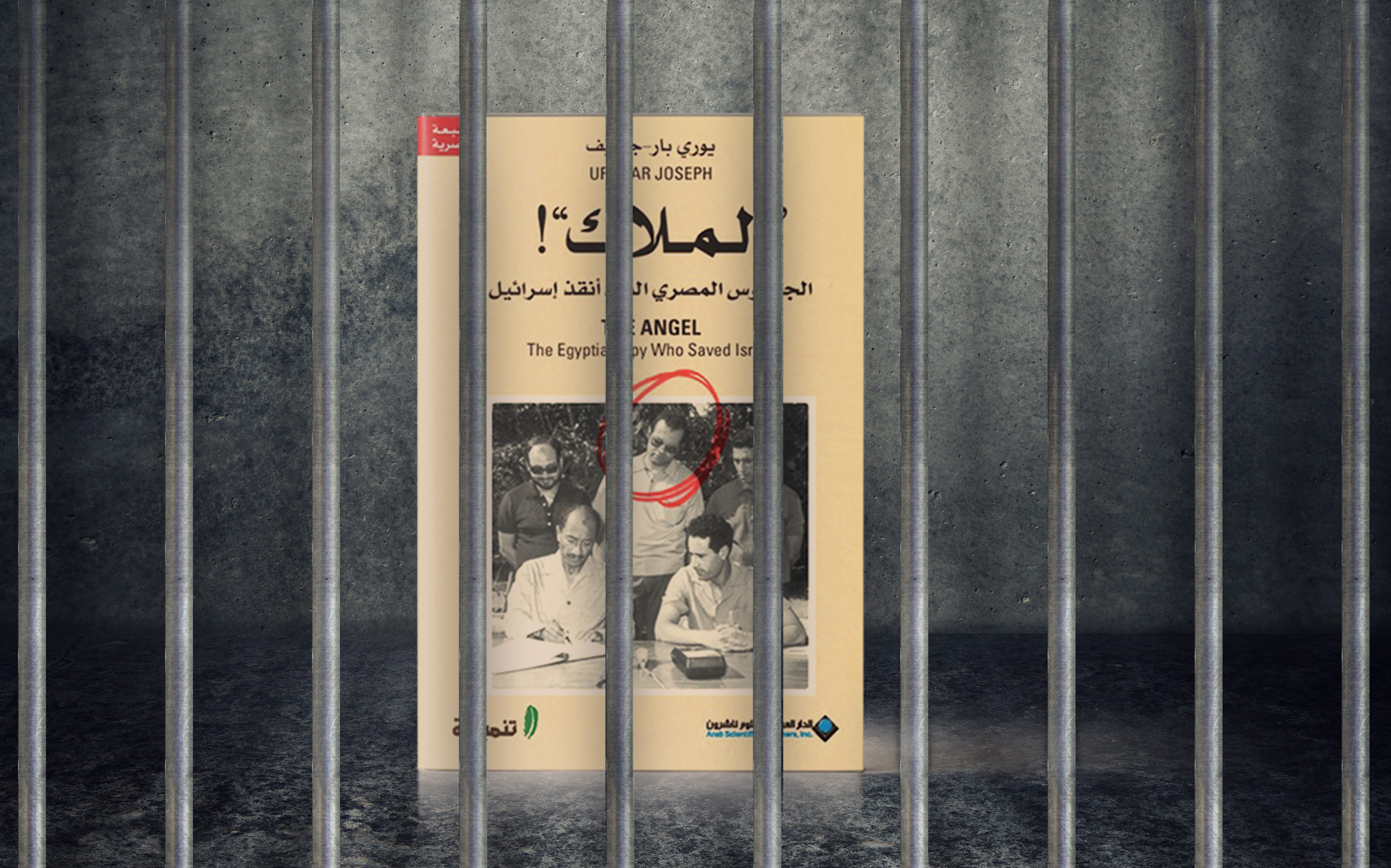
Lotfy has been on trial in Egypt’s Military Court of Cassation (meaning annulment by a higher authority) since 2018 for publishing and selling an Egyptian edition of Uri Bar Joseph’s The Angel: The Egyptian Spy Who Saved Israel even though the book was originally translated into Arabic by the Lebanon-based Arab Scientific Publishers and had been available in Egypt as a relatively expensive import. It was also turned into a successful Netflix film under the title The Angel, and is available internationally, including in Egypt. Lofty was accused by the court of having “divulged military secrets”.

The book, by Israeli writer Uri Bar-Joseph, portrays Ashraf Marwan, the son-in-law of former Egyptian president Gamal Abdel Nasser, as a spy for the Jewish state.

Lotfy received the Prix Voltaire, the International Publishers Association (IPA) Freedom to Publish prize, last year. Commenting on the court’s ruling, Kristenn Einarsson, Chair of the IPA’s Freedom to Publish Committee said: “It is incomprehensible that Khaled Lotfy can be imprisoned, not only for publishing a book, but for publishing a new version of a book that was already available. His only chance of freedom is a Presidential pardon, and we implore President Abdel Fattah el-Sisi to release Khaled so that he can be reunited with his family.”

Lofty’s Tanmia Bookshop opened in 2011 and later launched its highly respected publishing house which published a number of acclaimed authors in translation as well as original works in Arabic, including a children’s book version of Mahmoud Darwish’s poem “Think of Others,” which won an Etisalat Prize for Arabic Children’s Literature.

Speaking at the IPA General Assembly in Frankfurt in 2019 Lofty’s brother Mahmoud read out a message from his sibling: “Since nearly two years my life, the life of my family, of all the people around me and everyone who loves me has stopped for no reason. I wish for an end to that. I want to see “Tanmia” and my young girls grow up together at the same time. I want to get out of here.”

 

Recent News

02Apr
Hachette cancels Shy Girl release over AI concerns

Hachette cancels Shy Girl release over AI concerns

Hachette Book Group has withdrawn a horror novel after allegations circulated online that its author relied heavily on artificial intelligence. The book is to be discontinued in the UK after being published in November 2025, and its US launch date has been cancelled. The book, Shy Girl by Mia Ballard, had been scheduled for release […]

02Apr
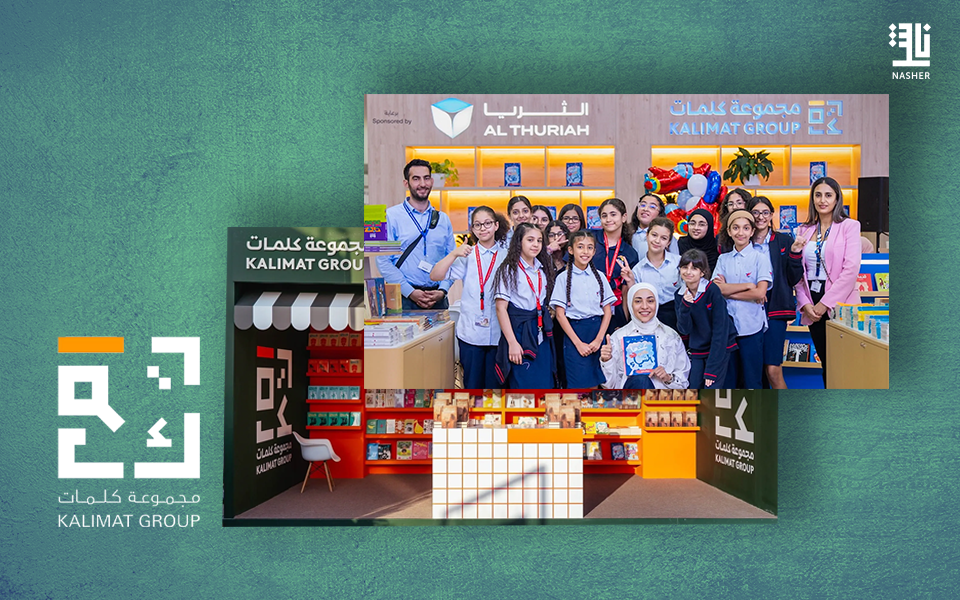
Kalimat Group tops 1,000 Arabic children’s books

Kalimat Group tops 1,000 Arabic children’s books

Since its establishment in Sharjah in 2007, Kalimat Group has built an international presence for Arabic children’s literature, bringing its titles to global publishing markets and new readers across multiple languages. The group has published more than 1,000 titles and developed a distribution network spanning over 130 partners worldwide, extending the reach of Arabic storytelling […]

01Apr
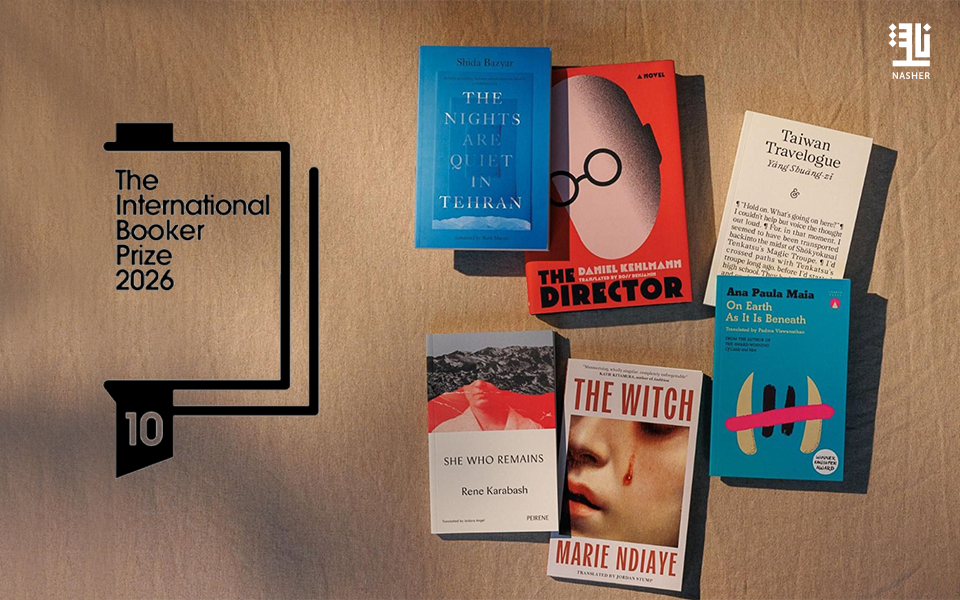
International Booker 2026 shortlist revealed

International Booker 2026 shortlist revealed

Daniel Kehlmann, Marie NDiaye and Yáng Shuāng-zǐ are among the six authors shortlisted for the 2026 International Booker prize, as the award marks its 10th anniversary. The annual prize celebrates the best works of fiction translated into English, and awards £50,000 to one author-translator pair, to be split equally. Authors Rene Karabash, Shida Bazyar and […]

Related Posts

Motherhood Recasting the Voice of Women Writers

Motherhood Recasting the Voice of Women Writers

When motherhood enters a writer’s life, it does not merely introduce a new subject; it reshapes her relationship with language itself. The rhythm of writing shifts, narrative priorities are reordered, and time grows denser, less expansive. Writing is no longer an...

Pride and Heroism in Emirati Literature

Pride and Heroism in Emirati Literature

In Emirati literature, pride does not appear as a passing sentiment, but as a deeply rooted value embedded in the collective memory of society. Since the early days of folk and Nabati poetry, poets have expressed their attachment to the land, the tribe, and the values...

How Book Fairs Connect Nations

How Book Fairs Connect Nations

Book fairs around the world are no longer merely seasonal occasions for launching new titles or bringing readers and authors together. Over the past few decades, they have evolved into broader arenas for cultural diplomacy and the exchange of ideas between nations. At...

Previous Next
Close
Test Caption
Test Description goes like this