A recent report published by Vogue India highlighted the rapid transformations reshaping the country’s book market, noting that simply writing a good book is no longer enough to secure commercial or popular success. With the sharp decline of traditional media coverage and shrinking space for books in newspapers and magazines, authors today are expected to reinvent themselves as public figures on social media, introducing their work, sharing details of their daily lives, and maintaining a constant presence in the minds of readers. The report stressed that this is no longer an exception but rather an essential part of the publishing equation.
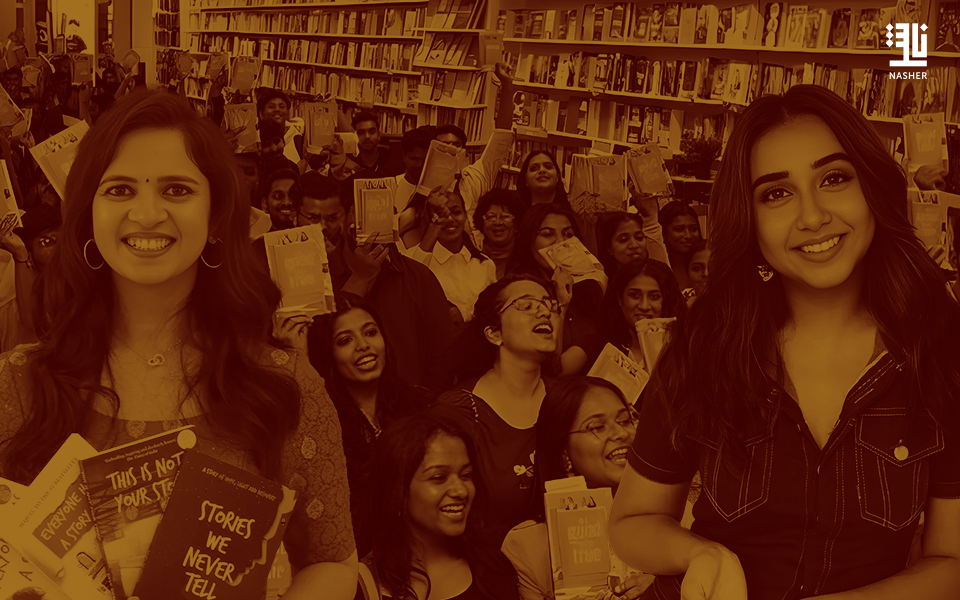
The magazine pointed to a striking example in Prajakta Koli, the digital creator better known online as MostlySane. With more than 18 million followers across YouTube and Instagram, Koli achieved an extraordinary milestone with the release of her debut novel Too Good To Be True. The book sold over 150,000 copies in just one month, a figure that vividly illustrates the power of a digital fan base in shaping literary markets. Publishers see this case as clear evidence that the commercial success of literary works is now closely tied to the author’s standing on digital platforms.
According to Vogue India, publishers in the country have begun to rethink their strategies, with selection criteria for new manuscripts extending beyond literary merit to include an author’s ability to engage audiences and promote their work online. An author with a strong digital presence can be marketed far more easily to readers, dramatically increasing the chances of success compared to a talented writer who lacks such a following. Social media, the report argues, has become an indispensable extension of the publishing world, rather than a secondary tool.
The findings conclude that in today’s India, an author is no longer solely a writer devoted to literary creativity, but also a marketer and influencer striving to sustain an ongoing dialogue with their readership. As competition intensifies and readers’ choices expand, the ability to combine writing with community-building in the digital sphere has become the key to success. This raises a larger question for the future of literature: will more authors enter the literary stage through the doorway of digital fame, or will strong texts continue to assert themselves independently of the virtual world?