
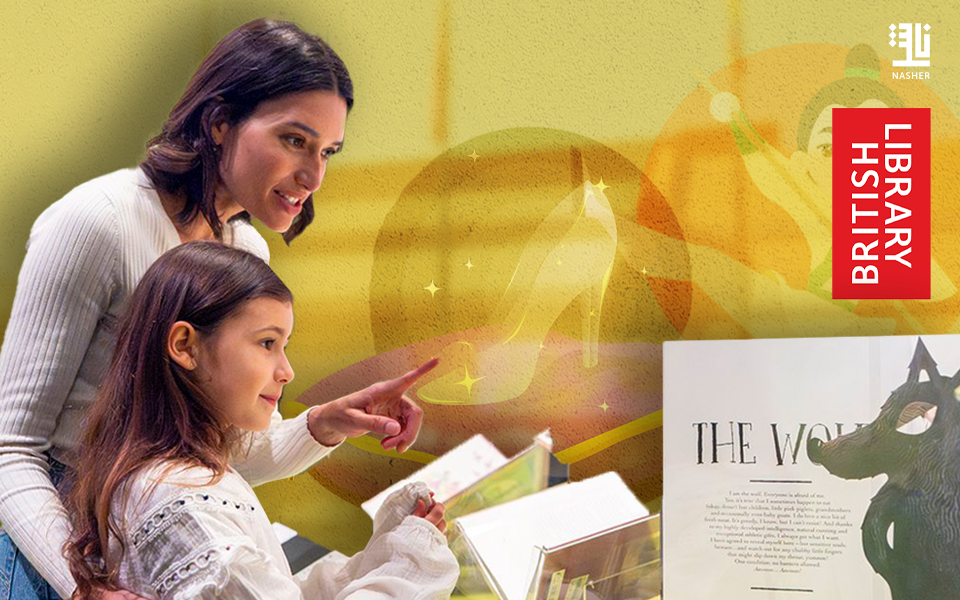
Fairy tales are likely to be our first window to fiction and fantasy, it is our introduction to good and bad, immoral and moral behaviour, love, jealousy and hate and above all the idea that a happy ending is possible.
Fairy Tales Exhibition at the British Library is an immersive exhibition inviting families to step directly into the pages of their favourite stories.
Running from 27 March to 23 August 2026, this limited-time exhibition blends classic storytelling with hands-on play, theatrical design and sensory experiences, creating a magical day out that is particularly well suited to younger children.
After four years of planning and preparation, the exhibition covers the two main galleries, it celebrates tales of magic, wonder and enchantment from across the generations. Although aimed primarily at a family audience – there is something for everyone.
The displays are examples of over 50 different tales from across the world, from Europe, Asia, Africa and the Americas.
There are almost 170 items on show in the exhibition dating from the 16th to the 21st century. The wide range of objects displayed includes books, manuscripts, stamps, photographs and artworks from the British Library’s collections.
From the moment families enter, the exhibition transforms familiar stories into interactive environments. Children can sit at the Three Bears’ breakfast table, make a wish with a genie, and even smell the wicked witch’s potions. Each space has been carefully designed to bring well-known tales to life in a way that feels both playful and imaginative.
Rather than simply retelling traditional stories, the exhibition also introduces modern twists. Visitors will encounter reimagined characters and unexpected storylines, including tales where the “villain” may not be what you expect. This fresh perspective adds depth, making it just as engaging for adults as it is for children.
The exhibition begins at the fireside with a story about storytelling. The opening section features folk tales, fables, trickster tales, myths and legends in a display of vibrant picture books together with an early printed copy of Mulan and a beautifully illustrated manuscript of the fable of the sandpiper from Anvār-i Suhaylī (Lights of Canopus) created in India in the 17th century. Early editions by Charles Perrault, Madame d’Aulnoy, the Brothers Grimm and Hans Christian Andersen reflect the Western European fairy tale tradition. Of particular interest is Mervyn Peake’s original artwork for the title page of Household Tales by the Brothers Grimm. It depicts a wonderfully fluorescent fairy tale world with a range of characters.
From this introductory area, the visitor enters the first of three central sections, each of which highlights a different well-known fairy tale and focuses on one of the main ingredients of fairy tales: characters, magic and animals.
First, in the deep, dark woods, the visitors explore the many iterations of Little Red Riding Hood from an early edition of Perrault, via enticing pop-ups and a cuddly wolf, to Alex T. Smith’s illustrations of Little Red and the Very Hungry Lion.
Then the focus moves to the different characters within fairy tales – what is heroic behaviour? what lies behind the role of villains, are they evil or misunderstood?
Next, at the palace, different versions of Cinderella introduce the theme of magic. There are editions by famous illustrators such as Arthur Rackham, George Cruikshank and Edmund Dulac – together with contemporary movables and examples of similar tales such as Hachikazuki (The Girl with the Kneading Bowl) from Japan and Rushen Coatie from Scotland.
There is an exploration of magic includes examples of spells, curses, wishes and magical objects. The section is introduced by a striking panel of a scene from Sleeping Beauty from Waddesdon Manor, on loan from the Rothschild Foundation. This includes stories such as Rumpelstiltskin and the variant tale of Tom Tit Tot from Norfolk, similar tales The Magic Porridge Pot and Anansi and the Golden Pot, together with Hans Christian Andersen’s The Snow Queen.
The third section, in a land of mountains and waterfalls far away, begins with an exploration of the different ways in which the beast in Beauty and the Beast has been depicted. Illustrations from the 19th century by Walter Crane and Eleanor Vere Boyle sit alongside a startling 21st-century pop-up by Robert Sabuda.
This leads the visitors to a consideration of animal transformations in tales as different as The Fisher-Boy Urashima, East of the Sun and West of the Moon, and Rukai Pearl. Then the visitors reflect on talking animals – whether pigs, wolves, lions, tigers, jackals, cats or birds.
The final section explores the influence of fairy tales in other literary works and their continuing evolution, whether they are reimagined and retold as new stories or whether their meanings and messages are developed, used allusively, or challenged. Here visitors can read different versions of the many stories and perhaps create their own.
Throughout the exhibition, original artwork, books and illustrations from some of the UK’s most celebrated writers and illustrators are displayed, offering a rare opportunity to connect classic literature with contemporary storytelling.
This is an exhibition that truly understands its audience. With interactive buttons, dress-up areas, story-sharing spaces and sensory elements throughout, it is particularly well suited to children aged 3 to 10.
At the start of the exhibition, sensory bags are available for visitors who may benefit from additional support. This thoughtful inclusion makes the experience more accessible and ensures more families can comfortably enjoy the space.
It strikes a balance that many exhibitions struggle to achieve, educational without feeling formal, and imaginative without being overwhelming.