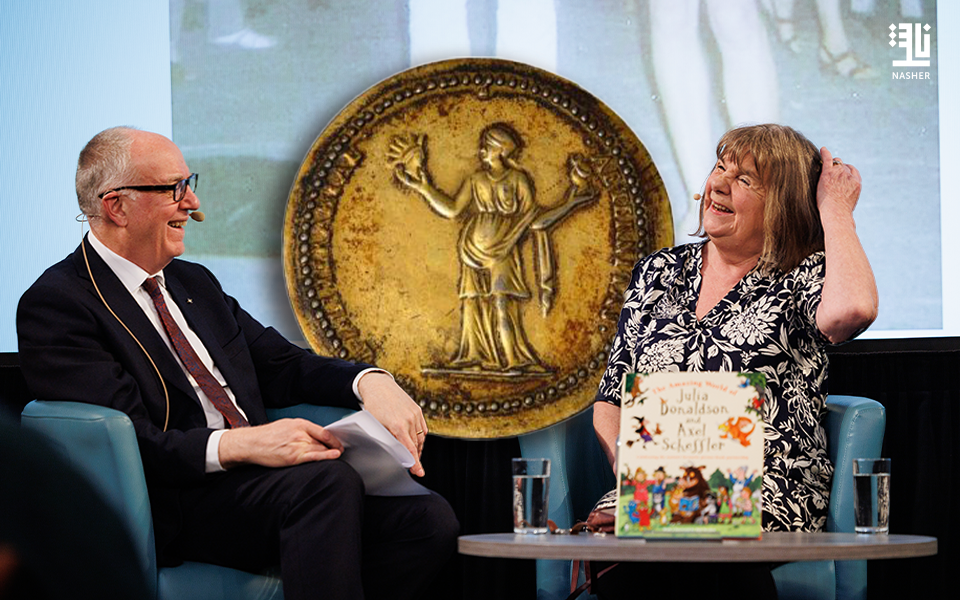

Bodour Al Qasimi, President of International Publishers Association (IPA), shared her belief in the indispensable value of the publishing industry for cultural, social, economic, and educational progress around the world, during the inaugural edition of BolognaBookPlus.
A new initiative, running in parallel with the Bologna Children’s Book Fair (BCBF) from June 14 – 17, in its fully online format this year, BolognaBookPlus aims to reach a wider professional audience across the global publishing industry. Co-chairing the event with Richard Charkin, founder of Mensch Publishing, the IPA President addressed the occasion of the IPA’s 125th anniversary as a major milestone to the publishers, leaders, and professionals attending the conference, adding that publishing predates the IPA by several centuries, a reminder of how long the business has been around.
At the full-day conference titled ‘Forging forward: The pandemic an interruption, or an opportunity to rethink’, designed by BCBF to cater to the wider publishing sector, not just children’s publishing, Bodour noted that despite undergoing many periods of disruption, publishing has always adapted and evolved to remain a cornerstone of humanity’s cultural progress. She stressed the need to bolster and build the industry’s resistance to pressure and turn challenges into opportunities with the right mindset, skillset, and toolset.
Early in the day’s programme, Bodour held a spotlight conversation with the multi-literary award winner, academic, and public speaker, Elif Shafak, exploring key themes surrounding the speed and complexity of change in the global publishing industry and pathways to forging its secure future. Touching on often sensitive narrative regarding the state of the industry and its ability to tackle difficult subjects in the digital era, the overwhelming sense was that the pandemic has brought about a sense of solidarity in publishing and that present challenges can be converted to opportunities through cooperation and synergistic mutual support.
A key strategy for the IPA, as it celebrates 125 years of serving, shaping, and upskilling the industry, remains to be the continuous development of publishing know-how to meet emerging trends and to upskill the global publishing ecosystem. The IPA plans to achieve this objective through its International Sustainable Publishing and Industry Resilience plan, known as InSPIRe, developed following findings from a major study conducted by the entity of publishers’ experiences of the effects of the pandemic on their industry across the world, revealed in its From Response to Recovery report.
InSPIRe aims to help industry players better adapt to shifts caused by the pandemic and technology advancement, and to foster dialogue and cooperation along the publishing industry chain, from authors and illustrators to printers, distributors, libraries, and booksellers. This, Bodour noted, would give industry professionals more leverage to engage governmental and non-governmental actors on the issues exerting the greatest pulls on the industry: digital piracy, reading and literacy policies and taxation.
Another major IPA endeavour being planned for publishing professionals worldwide is the IPA Academy – an online learning portal that aims to bridge the gaps in learning identified by the From Response to Recovery report. The IPA Academy will offer training in multiple languages to provide publishers with the tools they need to upskill in areas such as digitisation, e-book and audiobook production, online selling, digital and social media marketing.
Diversity, inclusion, sustainability, and accessibility, Bodour said, were not lofty ideals but key business objectives that needed to be fulfilled to ensure that the global publishing industry continued to innovate, grow and remain relevant to their target audience amid rising competition from other media.