Taliban ban books written by women, textbooks on women’s rights, human rights and Western philosophy from Afghan universities
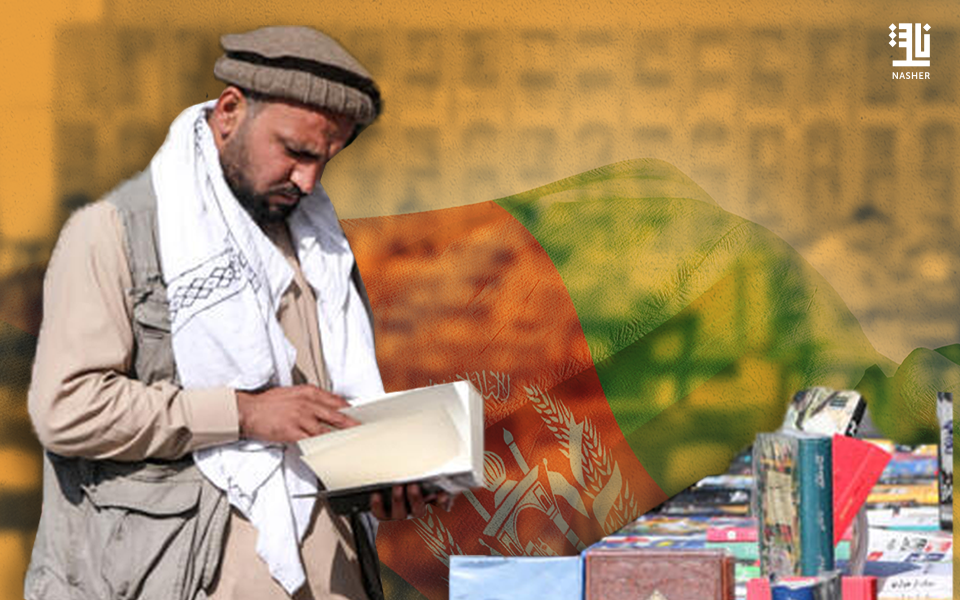
As the autumn semester begins in Afghanistan, the Taliban’s Ministry of Higher Education has informed public and private universities that, following a review by a committee of Taliban clerics, ministry officials and scholars of Islamic law, 679 textbooks have been banned. With immediate effect, universities are forbidden from teaching, citing or using these textbooks.
Some 140 books by women – including titles like “Safety in the Chemical Laboratory” – were among 680 books found to be of “concern” due to “anti-Sharia and Taliban policies”.
The universities were further told they were no longer allowed to teach 18 subjects, with a Taliban official saying they were “in conflict with the principles of Sharia and the system’s policy”.
The decree is the latest in a series of restrictions which the Taliban have brought in since returning to power four years ago.
Alongside the book ban, Aryoubi instructed universities to drop 18 courses deemed “in conflict with Islamic sharia”. The letter also stated that another 201 courses have been flagged as “problematic” and are currently under review.
Courses on Afghan constitutional law, Islamic political movements, good governance, electoral systems, Afghanistan’s political system, gender and development, human rights and democracy, globalisation and development, history of religion, sexual harassment, women’s role in public communications, as well as modules on topics related to philosophy and women’s studies were banned.
Some of these courses were compulsory for students pursuing degrees in law and political science faculties across Afghanistan. But the ministry ruled them “contrary to the strategy of the Islamic Emirate and incompatible with Islamic sharia” and ordered their removal from this semester.
Since the Taliban came to power four years ago, it has barred education for girls above sixth grade (age 12), arguing that it does not comply with its interpretation of Islam – although no other Muslim-majority country prohibits girls from being educated.
Sharia does not prohibit women and girls from education and Islam has a long tradition of female scholars and writers. The world’s oldest university in Morocco was also founded by a woman in the 9th Century.
The books affected by the Taliban’s move cover every field of study, including texts on constitutional law, Islamic political movements and the political system, as well as human rights, women’s studies and Western political thought.
A final list of banned books will be issued to universities at a later date.
Alongside the female-authored books, a further 300 written by Iranian authors or issued by Iranian publishers are being targeted.
This follows earlier action by the Taliban’s Ministry of Information and Culture, confiscating hundreds of books from libraries and bookshops in major cities like Kabul and Herat. The titles covered topics such as women’s rights, democracy, religion, history, philosophy, and art and were banned from print, sale or consumption.