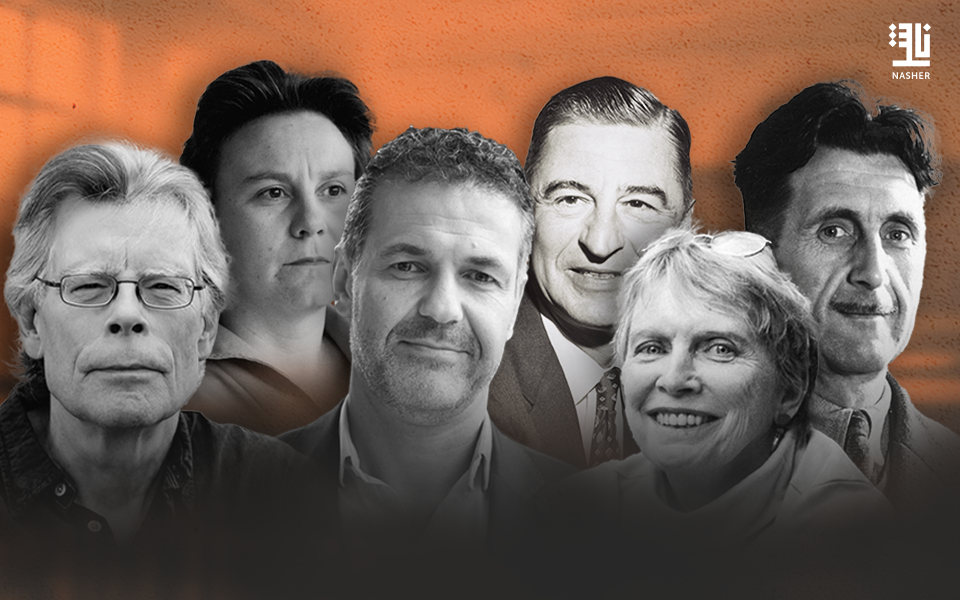
We were all taught certain books at school as part of our English Curriculum, but years later, many of these books or their authors are no longer taught at school. Below are a few of these authors;
Khaled Hosseini
Khaled Hosseini, known for “The Kite Runner,” captured hearts with tales of friendship and redemption. His books, once staples in schools, offered deep dives into Afghan culture. Beyond writing, he’s also a physician and a United Nations Goodwill Ambassador, actively involved in humanitarian efforts.
Harper Lee
Celebrated for “To Kill a Mockingbird,” Harper Lee illuminated racial injustices through her moving storytelling. This classic was a school curriculum mainstay for decades. She was also a notorious introvert, intriguing fans with her elusive nature and rare public appearances.
George Orwell
Famed for “1984” and “Animal Farm,” George Orwell’s books once dissected political systems in school curricula. Despite his age, Orwell’s insights into power and manipulation remain relevant. Interestingly, he fought in the Spanish Civil War, experience that deeply influenced his critical and dystopian works.
Stephen King
Renowned for his spine-tingling horror novels, Stephen King’s works like “Carrie” and “The Shining” were once classroom regulars. His storytelling remains timeless, continuing to captivate audiences. Outside of writing, King plays guitar in a band with other authors, demonstrating his artistic genius. His novels still stir imaginations and fears alike.
Theodor Seuss Geisel (Dr. Seuss)
Famed for his playful rhymes and characters, books like “The Cat in the Hat” were once classroom favourites. While some of his works have sparked controversy, their core messages about kindness and curiosity remain relevant. He also worked as a political cartoonist, enhancing his storytelling with social critiques.
Katherine Paterson
Best known for “Bridge to Terabithia,” this author’s works, addressing themes like friendship and loss, were once classroom works. Though some view these themes as timeless, their relevance varies in modern curricula. Besides writing, Katherine Paterson has championed literacy as the National Ambassador for Young People’s Literature.
Lois Lowry
“The Giver,” a novel by Lois Lowry, once frequently graced school reading lists, prompting discussions on dystopian societies and individuality. While debates about its relevance in present-day schooling continue, the book’s themes remain thought-provoking. Besides literature, Lowry is a skilled photographer, capturing moments much like she captures words.
Richard Adams
A compelling tale of adventure and resilience, “Watership Down,” by Richard Adams, was once a frequent read in schools. Its rich storytelling about the journey of a group of rabbits still holds philosophical weight.
Mark Twain
Renowned for capturing the realities of American life, the author of “The Adventures of Huckleberry Finn,” once dominant in classrooms, crafted narratives that still resonate. Mark Twain was also a keen inventor, holding several patents. His sharp wit and observations on society remain insightful and provocative, never truly outdated.
John Steinbeck
John Steinbeck, author of “The Grapes of Wrath” and “Of Mice and Men,” once dominated high school reading lists with gritty tales of survival and injustice. His portraits of Depression-era America sparked classroom debates for decades. Though less common in curricula now, his influence remains. Steinbeck also won the Nobel Prize in Literature and spent years travelling and reporting on the struggles of ordinary people.