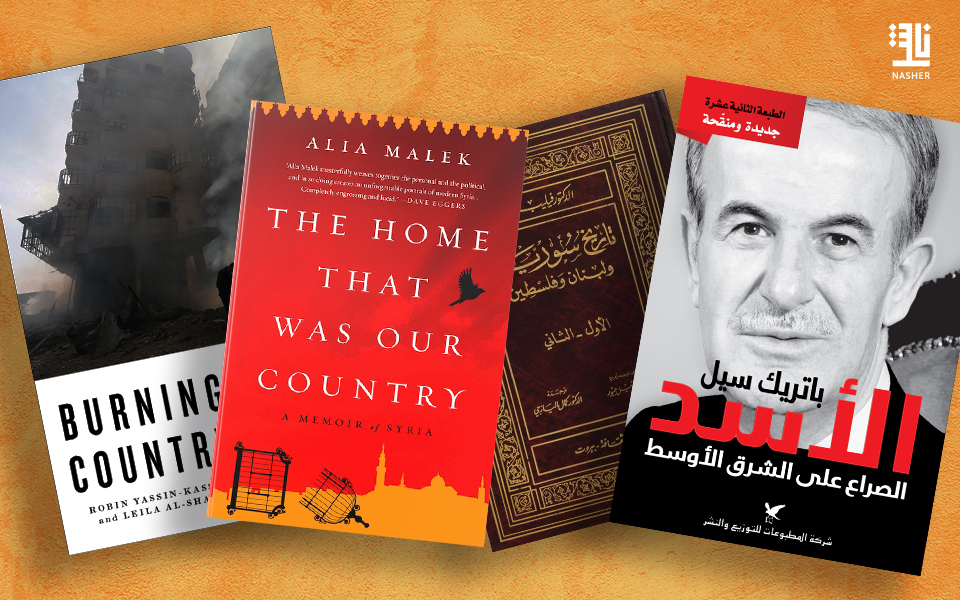
The history of Syria, one of the world’s oldest civilizations, has inspired significant literary and historical works. These books intertwine Syria’s cultural richness, political struggles, and visions for the future. Here are four pivotal books that explore these themes:
Philip K. Hitti’s History of Syria: Including Lebanon and Palestine
Hitti’s seminal work offers a comprehensive narrative of Syria’s historical and cultural evolution, from ancient times to the modern era. The book highlights Syria’s pivotal role in shaping Middle Eastern identity, drawing connections between its political history and literary traditions. Hitti emphasizes how ancient Syrian texts and intellectual contributions influenced the broader Arab world, underscoring the profound interplay of literature and history.
Patrick Seale’s Asad: The Struggle for the Middle East
This book provides an in-depth biography of Hafez al-Assad, Syria’s former president, and examines his role in shaping modern Syria and the Middle East. Seale’s detailed account of Assad’s political maneuvers is interwoven with reflections on the nation’s social and cultural fabric. By exploring Assad’s vision for Syria, the book indirectly touches on how politics has influenced the country’s intellectual and literary spheres, shaping its future in complex ways.
Alia Malek’s The Home That Was Our Country: A Memoir of Syria
Malek’s memoir blends personal narrative with historical analysis, offering an intimate perspective on Syria’s transformation over decades. The book traces her family’s story against the backdrop of Syria’s political upheavals, shedding light on the personal losses and cultural resilience that define the Syrian experience. Malek poignantly highlights the role of literature and storytelling as acts of preservation and resistance, envisioning a future grounded in the enduring power of memory and culture.
Robin Yassin-Kassab and Leila Al-Shami’s Burning Country: Syrians in Revolution and War
This deeply human account of the Syrian uprising and subsequent conflict offers both historical analysis and personal stories. Yassin-Kassab and Al-Shami highlight grassroots cultural movements, including the revival of poetry and literature as tools of resistance. The book portrays literature as a medium for hope, resilience, and the imagining of a more inclusive Syrian future.
These works collectively illuminate Syria’s historical depth and cultural vitality, demonstrating how its literary and intellectual traditions continue to shape its identity and inspire visions of renewal amidst ongoing challenges.