Home 5 Articles and Reports 5 Ramadan in Literature: A Reflection of Spirituality and Culture

Ramadan in Literature: A Reflection of Spirituality and Culture

Ramadan, the holiest month in Islam, has always been a powerful backdrop in literature. Writers from different cultures have used it to explore themes of faith, self-reflection, and community. Whether in classic novels or contemporary stories, Ramadan often serves as a moment of change, where characters confront their beliefs, struggles, and aspirations.


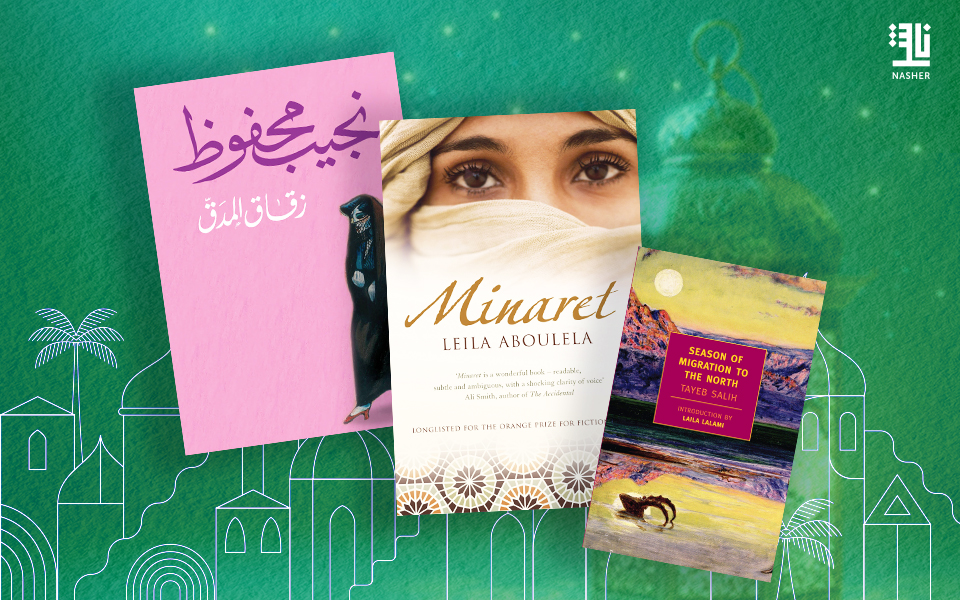
In Arabic literature, Naguib Mahfouz beautifully captures the spirit of Ramadan in Midaq Alley, where the month’s traditions contrast with the personal dilemmas of the characters. Similarly, in Season of Migration to the North, Tayeb Salih presents Ramadan as a symbol of cultural identity and moral contemplation, reflecting the deep connections between faith and daily life.


Beyond the Arab world, authors from different backgrounds have explored the significance of Ramadan in their storytelling. Leila Aboulela’s Minaret follows a woman rediscovering her faith, with Ramadan playing a key role in her spiritual journey. In Saints and Misfits by S.K. Ali, a young Muslim girl experiences Ramadan as a time of personal growth, navigating faith, identity, and the challenges of everyday life. These stories show how Ramadan is more than just fasting and prayer—it’s a time for transformation, introspection, and human connection.


Through literature, Ramadan becomes a universal experience, reminding readers of the power of faith, the importance of community, and the beauty of renewal.

 

Recent News

18Nov
A 400-Year-Old Guest in Abu Dhabi

A 400-Year-Old Guest in Abu Dhabi

Scholars, collectors, and lovers of English literature will have the rare opportunity to view, and for interested institutions or a private collector – acquire, one of the most important books ever printed, William Shakespeare’s First Folio (1623).   Presented by world-leading rare book firm Peter Harrington, a copy of this cornerstone literary work, will be […]

18Nov
‘Flesh’ Awarded the 2025 Booker Prize

‘Flesh’ Awarded the 2025 Booker Prize

  David Szalay wins 2025 Booker Prize for “Flesh”   David Szalay, the Canadian-Hungarian-British novelist, has won the 2025 Booker Prize for Fiction for his novel “Flesh”, a work that peers closely into the quiet mystery of everyday life, revealing how longing, endurance, and strangeness shape what it means to be alive. It is a […]

16Nov
Sharjah Named Guest of Honour at Warsaw Book Fair 2026

Sharjah Named Guest of Honour at Warsaw Book Fair 2026

Poland’s capital will celebrate and spotlight Emirati and Arab culture by naming the emirate of Sharjah as the Guest of Honor at the Warsaw International Book Fair 2026, taking place from May 28 to 31. The selection recognises the emirate’s leading role in advancing knowledge, dialogue, and cross-cultural exchange, and reflects its continued success in […]

Related Posts

How Do Travel Books Shape Our Choices?

How Do Travel Books Shape Our Choices?

In every era of history, travel has opened horizons, but books have always been the compass that gives a journey its meaning and directs the traveler’s steps. Travel literature does not merely describe places; it shapes imagined portraits of them, often brighter in...

Tales of Small Languages Defying Disappearance

Tales of Small Languages Defying Disappearance

From Estonia to Iceland: Tales of Small Languages Defying Disappearance   Small languages, those spoken by only a few million people, face mounting pressure under cultural globalization and the dominance of English in publishing, education, and the media. This...

Milan Kundera: When the Novel Touches the Questions of Life

Milan Kundera: When the Novel Touches the Questions of Life

Since the publication of his most celebrated novel The Unbearable Lightness of Being in 1984, it has become impossible to view Milan Kundera as a traditional novelist. His work moves beyond the limits of storytelling into a wider universe where characters intersect...

Previous Next
Close
Test Caption
Test Description goes like this