
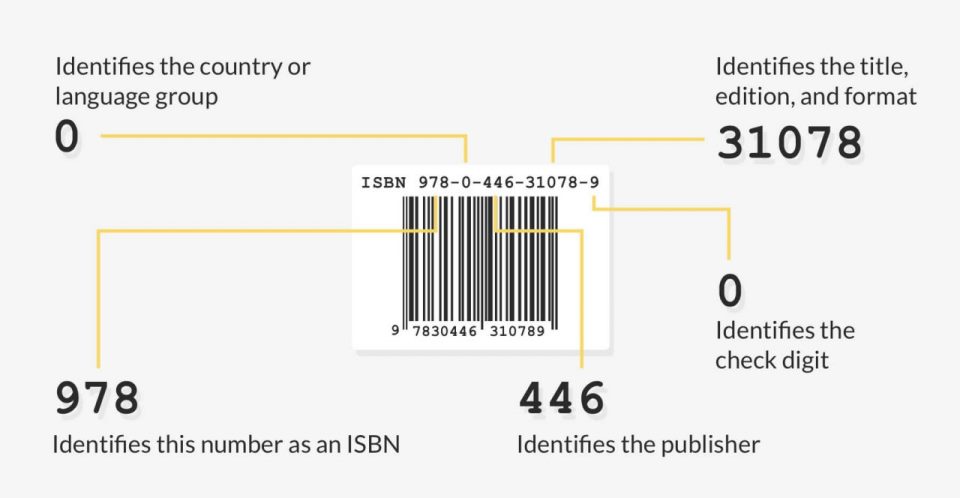
Adoption of ISBN is a milestone in the history of the publishing industry. This adoption is a significant contribution to the development and organization of the publishing movement universally. Today it’s a retrieving or reviewing tool for every published book.
ISBN is an international standardization system and a modern tool to identify each book. Through it, researchers/ readers can easily access any titles or editions issued by a particular author or publisher worldwide. It is similar to the identification number of individuals.
The first debate on the need for an international numbering system for books began in the deliberations of the Third International Conference on Book Market Research and Rationalization in the Book Trade, held in November 1966 in Berlin. As a group of European publishers and book distributors began relying on computerization in managing sales and monitoring inventory. In 1970, ISO adopted ISBN format, which was then 10 digits before turning it into 13 digits in 2007 with a 3-digit prefix.
According to the “Sixth Edition of ISBN Users’ Manual”, published by the International ISBN Agency – London 2013, ISBN is written behind the title page (copyright page), or below it if there’s no space behind the page. It may be written on the lower section of the back cover, under the outer cover, in the paperback or any cover that protects the publication.
Often the book publisher is the applicant for ISBN, which is obtainable from local standardization organizations. Namely, (ISBN) is issued in UAE by Ministry of Culture and Knowledge Development, which has granted it since March 2019 for free to all publishers nationwide aiming at promoting book and publishing industry.
ISBN is a unique global identifier of written publications, and is now recognized by more than 160 countries; providing countless benefits. The correct use of its system facilitates a clear distinction between different production forms and copies of a book, whether printed or digital, making it easier to be accessed and acquired by readers, retailers, and library owners.
In a world where intellectual property rights have been infringed and piracy has prevailed, this system, which resourcefully protects publishers and authors’ rights, has drawn attention. For instance, many international book fairs today don’t permit displaying any books without an ISBN. This guarantees and protects authors and publishers’ rights, regulates sale and distribution, and translations into other languages.
Besides books, there are other publication forms in which ISBN is used, including Braille publications; publications whose publisher doesn’t intend to update regularly or continue indefinitely; individual articles; special copies from a continuous source; maps; films and videos falling within the range of educational offerings, along with audio books whether on tapes, CDs or DVDs.