The penguin emblem associated with the renowned publishing house Penguin Random House stands as one of the most recognizable symbols in the world of books. First introduced in 1935, this penguin was never merely a simple illustration; over time, it evolved into an integral part of the publisher’s identity and visual memory. Over the decades, it has been reinterpreted in various ways, yet it has consistently preserved its essence, becoming a familiar and enduring presence for readers around the globe.
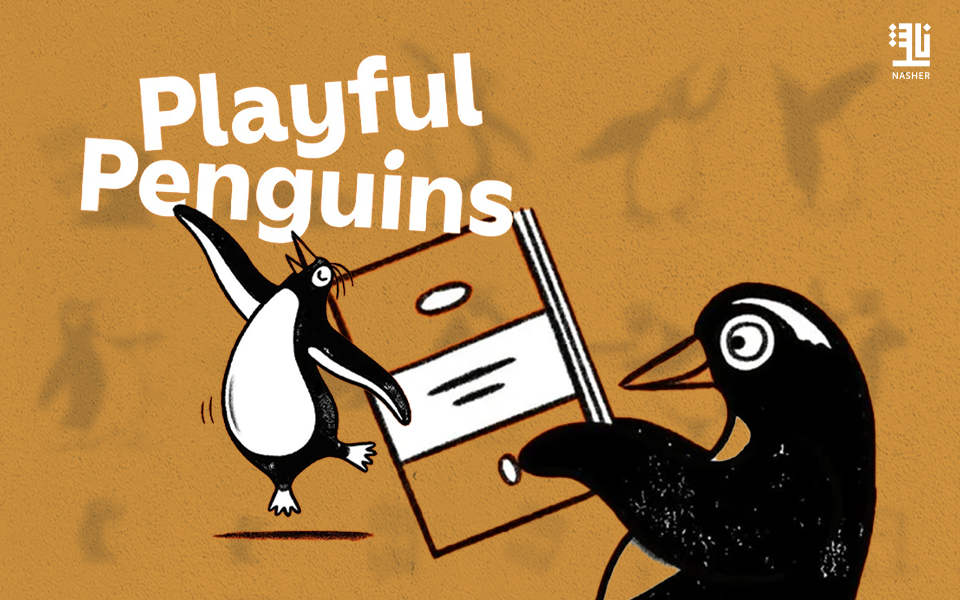
In a move that reflects a keen awareness of the shifting landscape of visual communication, the publisher has reimagined this iconic symbol through the “Playful Penguins” project. This new series of characters draws inspiration from the original penguin, but brings it to life with greater movement and expressiveness. Rather than altering the logo itself, the idea is to expand it, transforming it from a static image into a cohesive visual universe populated by multiple characters that can be deployed across campaigns and digital content, offering the brand greater flexibility in engaging its audience.
This direction hinges on turning the penguin from a silent emblem into a living character, one that can leap, read, move, and interact with its surroundings. As a result, the logo is no longer just an identifying mark on a book cover; it becomes a narrative device that carries the spirit of the brand and reflects its personality. The adoption of a flexible visual system, built on a modular set of elements, allows these characters to be used across diverse contexts, from seasonal campaigns to cultural initiatives and digital platforms.
At its core, this transformation signals a departure from many contemporary rebranding efforts that tend toward simplification and neutrality. Instead, Penguin Random House has chosen to amplify its identity rather than reduce it, layering vitality and expression onto its historic symbol. The result is a model that balances the preservation of a nearly ninety-year legacy with a contemporary spirit, one that brings reading closer to audiences and embeds it more deeply into everyday life.