France is witnessing a remarkable creative movement in the world of art publishing, led by independent houses that have redefined the art book as a self-contained space of expression, no longer a mere vessel for text or image, but a work in its own right. Despite the richness of the French publishing landscape, with nearly 75,000 titles released each year and a dense network of independent bookstores, the market remains largely dominated by a small number of major groups. Against this backdrop, independent initiatives have emerged since the early 2000s, particularly in art, design, and photography, successfully challenging established norms and rethinking the relationship between form and content.
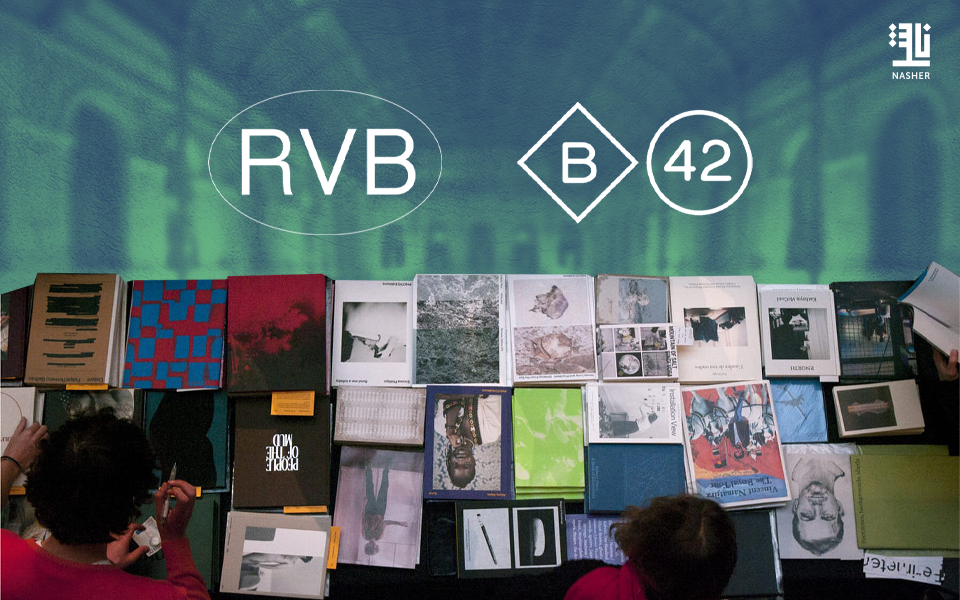
Since 2010, the Offprint Paris fair has become a key annual platform celebrating independent art books, transforming these publications into a vibrant cultural phenomenon embraced by artists and younger generations alike. Prestigious awards presented during the fair honour the most daring and innovative experiments, reinforcing the status of the art book as a fully realized creative work. These independent publishers have also secured a strong presence on the international stage, most notably at the Tokyo Art Book Fair, where they showcase titles that reflect a diversity of visions and approaches, underscoring the global reach of this movement.
RVB Books stands as a striking example of this philosophy, treating the book as an autonomous artwork and accompanying artists from the very first stages of a project to shape its visual rhythm and narrative structure. This approach has led to the production of award-winning titles that combine bold printing techniques with experimentation in colour and format, alongside limited editions that have entered the collections of major cultural institutions. At the same time, the publisher remains committed to producing accessible books that reach a broader readership, striking a delicate balance between exclusivity and openness.
Alongside this, houses such as Éditions B42 place typography and visual design at the heart of the reading experience, approaching the page as a dynamic space that continually reshapes the dialogue between text and image. Fidèle Éditions offers yet another model, emerging from alternative printing practices to build an artistic library that brings together graphic novels, drawing books, and free-form visual experiments. United by a shared belief in independence, these publishers see autonomy as a vital space for exploration, expression, and conviction, affirming that the art book in France is no longer bound by tradition, but has become an open laboratory for reinventing the very act of publishing.