The significance of the novel highlighted at the Sharjah International Book Fair
Novels have unprecedented global importance that is reflected by the large number of literary awards dedicated to them worldwide and the financial, emotional and cultural significance of those awards. The importance of novels is associated with reading approaches, and the increase in number of readers of narratives in general and novels in particular, given this literary genre parallel worlds that intertwine with reality, interlock with daily life and showcase the details using attractive techniques and exciting narratives.
The significant stature of novels made Egyptian critic Jaber Asfoor declare that it was the ‘Time of the Novel’ two decades ago, and thus, warrants that the Arabic media pay more attention to what is being published in the field of fiction or the respective awards and prizes dedicated to it.
A good example is the UAE, which is open to international cultures from around the world, but the media does not seem to follow suit. It is essential that the media’s cultural coverage keeps pace with global fiction spheres and avoids standing at the doorstep of literature’s history, addressing the great classics of the distant past. Failure to do so creates the potential to ignore the growing significance of bestselling contemporary novels – some of the most read since publishing began.
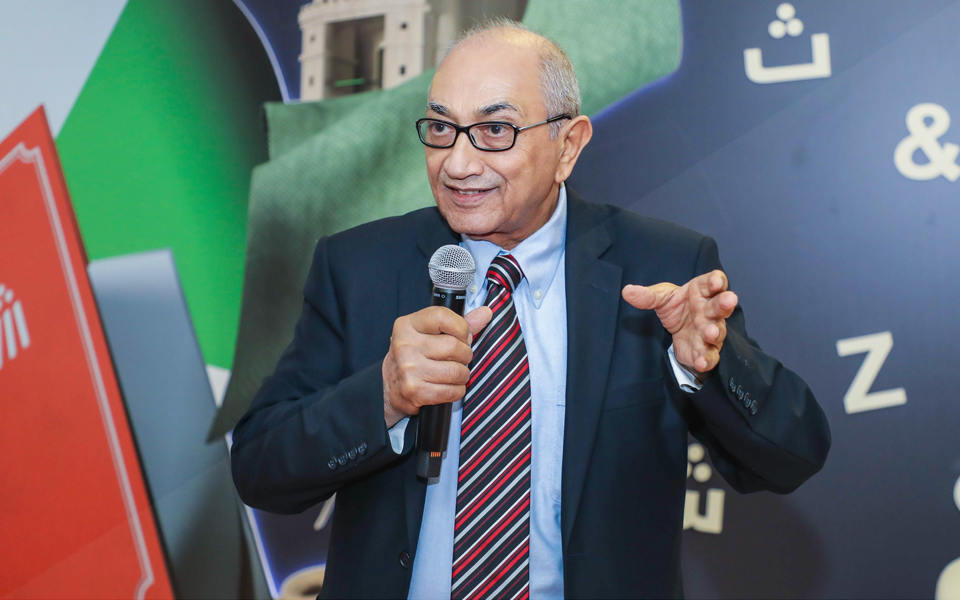
Zakaria Ahmed made his argument at a cultural event, at the Sharjah International Book Fair (SIBF), which was attended by a host of Arab authors, intellectuals and media personnel, as well as a host of journalism and media college students at Emirati universities. According to Ahmed, the paradox is that many state and private entities in the UAE launched significant Arabic literary awards that match its international counterparts, such as the Sheikh Zayed Book Awards, and the Emirates Novel Award, which is organised under the patronage of His Highness Sheikh Abdullah bin Zayed Al Nahyan, UAE Minister of Foreign Affairs and Chairman of the National Media Council.
Other significant awards include the International Prize for Arabic Fiction (IPAF) which was launched in 2007. The award is funded by the Abu Dhabi Tourism & Culture Authority (TCA Abu Dhabi) and supported by the UK’s Man Booker Prize, as well as the SIBF’s Awards, which dedicates few prizes to Emirati, Arabic and international novels.
Zakaria Ahmed explained that the media sheds light on the different phases of those awards, starting with the nominated submissions, sorting the entries, the announcement of long listed and short listed titles and ending with unveiling the winners. In a later phase, the media highlights the winning novels through articles and studies by renowned writers and critics, as well as interviews with the winning authors about their experiences, and the transformation they undertook.
“It requires much more than that,” says Zakaria ahmed, underscoring the importance of addressing the global fiction arena, through covering its manifestations and reporting its latest publications and achievements. Unfortunately, sometimes the Arabic media overlooks that. So little is written about a leading global award such as the International Dublin Literary Award, for example, in the Arabic media, even though this award is exceptionally significant, because its long list features all the submitted entries that are in conformity with the award’s criteria. The award’s last edition featured 147 entries from 109 cities form 40 countries in 19 languages (the criteria stipulates that novels written in languages other than English should be translated into English).
In other words, mentioning the long listed novels is the first step in exploring the rich and diverse world of novels, and it indicates the vibrant translation into English from other languages. It could also motivate the reader to the read the novel in its original language and compare it to the translated edition.
Addressing translation, Zakaria Ahmed commends UAE’s translation efforts that take an institutionalized approach and lean on strategic plans to translate our literature and culture into other languages on the one hand, and promote the manifestations of creativity in other cultures through translating them into Arabic on the other hand.
Following up on the global fiction arena is one of the most important tasks that are entrusted to the media and the cultural section in newspapers, as it is the right of the reader who chose that newspaper to be their window into the world. The novel became a platform to engage with other literary genres, because it features cinematic takes, scenic displays, flashbacks, interior dialogues (monologues), as well as a diverse narrative types and techniques and linguistic levels.