
Giants continuing to pose a threat to copyright; new state laws aiming to regulate e-book sales to libraries; and bottlenecks in the printing and supply chain will continue to present challenges for the publishing industry in the years to come. That is the view of Hachette Book Group CEO Michael Pietsch outlined in the Publishers Weekly Book Publishing Almanac 2022: A Master Class in the Art of Bringing Books to Readers, published by Skyhorse Publishing.
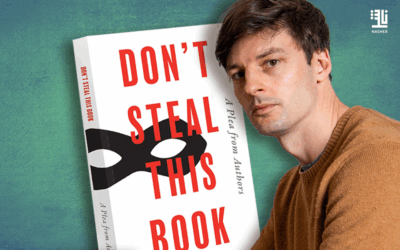
Although he remains steadfastly optimistic on the health of the industry, Pietsch flags up what he calls “the relentless, escalating assault on copyright waged by well-funded representatives of the major technology companies”.
In general though, he is upbeat. Despite the tragedies caused by Covid-19 with the loss of loved ones, the pandemic has shown that “books are essential. In all times, and especially in difficult ones, a book is the best source of information, reassurance, entertainment, education, escape, transformation. People reached out for connection – and a book remains the richest way ever created of connecting deeply with another mind”.
He noted trends that are also being seen in the UK. He predicts there will be “hubs and smaller offices elsewhere”, away from the big cities, although he adds that a corporate HQ in New York is still likely. This geographical diversity will be met by a human one too. He observes: “As employers try out hybrid work arrangements with employees in offices a few days a week, publishers will look for lower overhead, increased racial and ethnic diversity, connection with regional literary and cultural scenes, and bringing more varied worldviews and life experiences into their work community.”
Print is here to stay, he believes, as are bookstores. “As long as readers want printed books, shopping in the sanctum of a bookstore—the experience of curated discovery in a store full of books, uniquely organized by staff who are passionate and knowledgeable about the books and authors they are selling—will continue to be powerful. Both chains and independent stores will endure based on selection, display, community-centeredness, and personality.”
With a nod to Penguin Random House’s proposed purchase of Simon & Schuster – currently being investigated by the Department of Justice – he believes consolidation isn’t over. “As the business continues to grow, as top-selling books sell ever more copies, and as retail and wholesaling are concentrated in the hands of fewer, bigger companies, the financial dynamics that turned the Big 6 into the Big 5 will continue to motivate large publishers to keep acquiring, just as smaller publishers will continue to face pressures that make selling appealing.”
He concludes in upbeat tone: “My optimism holds. The partnership between writers and publishers is profound and essential, and I feel certain that it is more than strong enough to support a rewarding future together.”