As staff at Simon & Schuster US continue to feel unhappy at the company’s decision to press ahead with publication of former vice-president Mike Pence’s book – and this comes after a vociferous online letter presented to management – in the UK a senior publisher and agent have both spoken in the House of Lords on freedom of expression and the need for a plurality of voices.
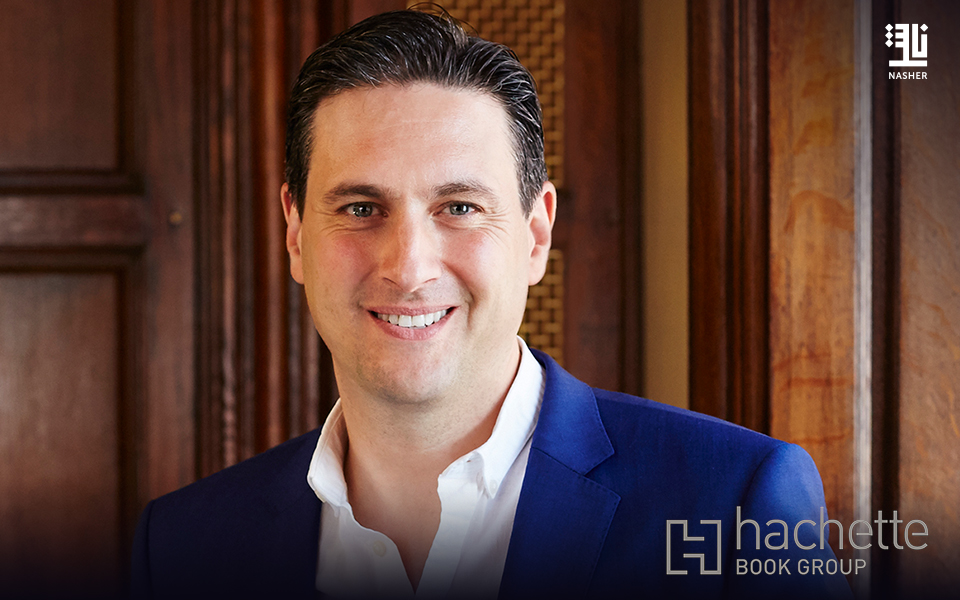
Hachette CEO David Shelley and literary agent Clare Alexander spoke to the Communications & Digital Committee investigating freedom of expression online, including “cancel culture” and authors feeling they have to self-censor.
It is often younger members of staff who are angry and Shelley was asked how he approached them: “I think the one crucial thing is to be very open with people from the interview stage about what the organisation stands for. We’ve got our mission, we’ve got pillars, we’re very open that people might need to work on books they don’t agree with, that we’re an organisation that believes in a plurality of voices and wants to find readers everywhere. I think in the past possibly, not having seen this coming, maybe we haven’t been clear enough with people about what sort of organisation we are, what that is.”
Nobel Prize-winning author Kazuo Ishiguro has spoken recently about an online “lynch mob” forcing writers to self-censor and last year young members of staff working on JK Rowling’s children’s books threatened to stop work following the author’s remarks on transgender issues.
Shelley said that the question of whether the publisher went ahead with a project or not was purely a question of economics and legality. If there was no market for a title, or if it contravened the law, then it would not take the book on.
“We have a very active legal department and we have rejected books before, decided not to publish them because in some respect we feel they’d contravene the law, to be defamatory or to incite hate speech. But we’re fairly precise about that and we try as much as possible not to take value judgments in there at all. It’s looking at the strict legal definitions.”
Alexander believes freedom of speech is at a “watershed moment” in the UK. On the vexed issue of cultural appropriation, she said “[Historians] can’t be the people they’re writing about any more than novelists can be the product of their imagination, so we are in a very judgmental time where imagination and research is versus cultural appropriation in a way that’s quite tiresome.”
On the situation at Simon & Schuster in the US, she said: “I wouldn’t want to be in the position of running that publishing house because they may even have to get in the position when probably the older management says to the younger refuseniks, ‘you can always leave’. This is getting quite inflammatory.”