The book publishing industry in Pakistan is facing significant challenges amidst the digital revolution. With a dwindling reading community, a few dominant players monopolizing the industry, and soaring inflation, traditional publishers are struggling to adapt.
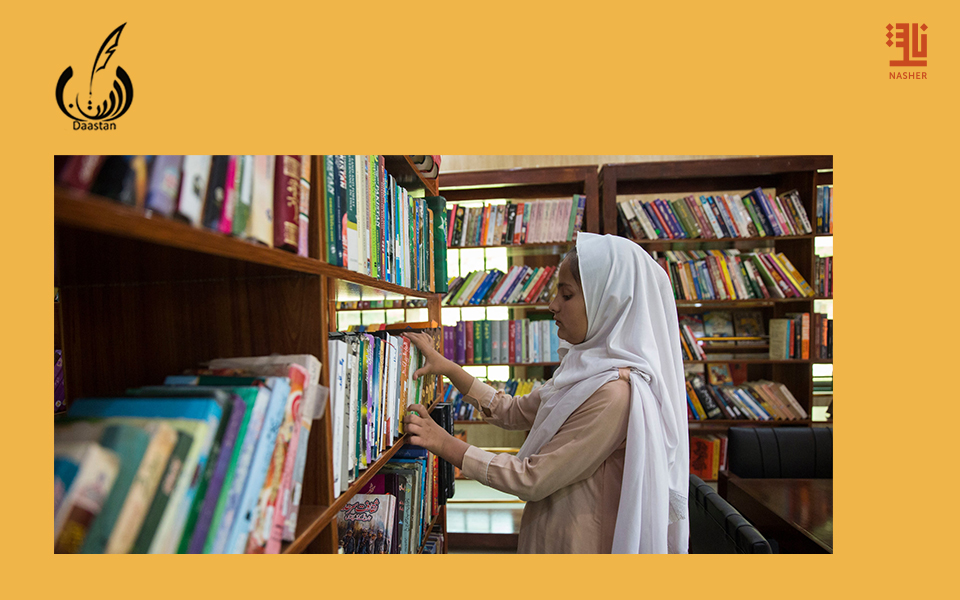
Before the internet and social media, the traditional publishing model thrived in Pakistan. Books were the primary source of entertainment, and public libraries and small shops played a crucial role in lending books and magazines within local communities.
However, the advent of the internet in the early 2000s transformed the reading landscape. Online readership surged as people gained access to vast amounts of free content and PDFs, significantly impacting the profits of traditional publishers. Unfortunately, many publishers in Pakistan failed to digitize their operations, and the lack of a comprehensive digital record of publishers in the country further hindered progress.
Despite these challenges, the global book publishing industry is experiencing growth, with revenue reaching $129 billion in 2023 and an expected market valuation of $163.89 billion by 2030. However, the strained bilateral ties between India and Pakistan create obstacles for Pakistani authors seeking opportunities with major international publishing houses.
In Pakistan, nearly 90 percent of publishing is limited to academic and textbook publications, with limited research work or fiction produced by a few independent publishers. The traditional publishing industry is known for exerting control over content and shaping it according to their preferences, leaving writers feeling powerless.
On the other hand, self-publishing platforms like Amazon do not ship to Pakistan, and even if authors manage to get published, extracting funds from their work is a formidable challenge. Self-publishing is crowded, expensive, and lacks credibility, requiring authors to handle their own marketing efforts.
Daastan, a publishing startup in Pakistan, aims to democratize publishing by offering affordable options for aspiring authors. The company operates on a hybrid model that provides writers with creative freedom, credibility, and marketing strategies. Daastan has undergone multiple business model changes, starting with free publishing before transitioning to a membership-based model.
Despite its innovative approach, Daastan faces various challenges. Inflation, particularly in paper prices, has been a major obstacle. Additionally, the reading community in Pakistan is shrinking due to low literacy rates and a limited focus on reading beyond academic textbooks.
To foster a reading culture, public libraries should be made more accessible, and efforts to promote reading habits must start in schools and universities. Daastan is diversifying its revenue streams by targeting mid-career professionals and offering ghostwriting and book distribution services, but investment is crucial to navigate the current inflationary period.