Home 5 News 5 Average Time Arabs Spend Reading is 35 Hours per Year

Average Time Arabs Spend Reading is 35 Hours per Year

by | May 3, 2017 | News

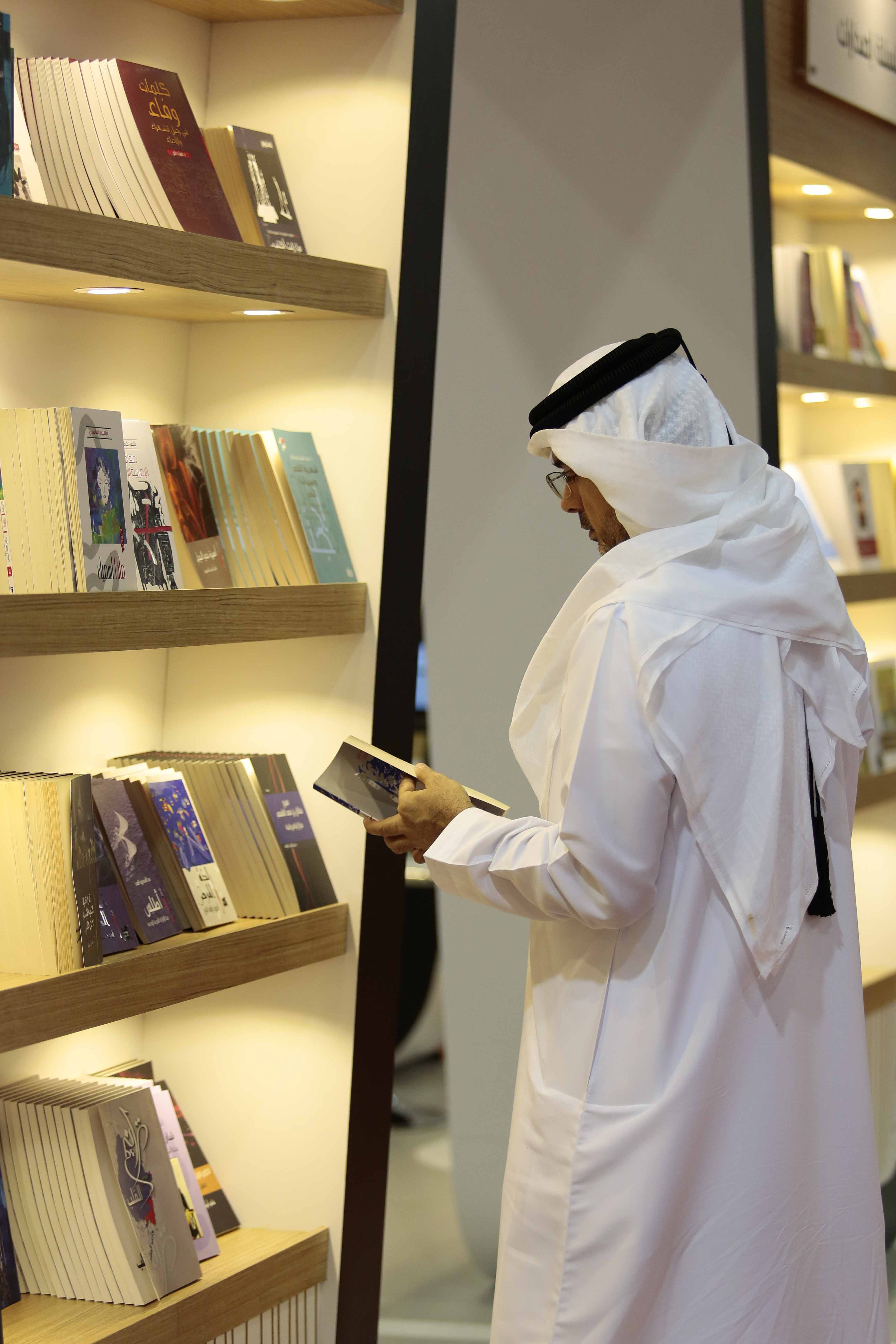
Results from the Arab Reading Index survey, which was carried out by the Mohammed bin Rashid Al Maktoum Foundation in Dubai and which analysed the reading habits of 148,000 people from across the Arab world, indicated that the average time an Arab individual spends reading is 35 hours a year.


The foundation stressed that the results of the survey showed that the average number of books read yearly in Arab countries is 16; with seven of this number being read in school or at the workplace and nine outside of these educational and professional arenas. The average number of Arabic books from the total of 16 read per year amounted to 11, with the remaining seven being non-Arabic titles.

The Arab Reading Index survey indicated that the average number of hours spent reading by Arab individuals is 35 hours a year, with the breakdown being 15 hours within school or work and 20 hours outside. The survey found that 16 hours of the 35 were spent reading printed books and 19 hours were spent reading e-books each year.
Recent News

20Dec
When Dia Mirza Writes for Children

When Dia Mirza Writes for Children

Indian actor Dia Mirza is embarking on a new creative journey as she develops a five-book children’s series inspired by her personal experiences, values, and long-standing love for storytelling. The project marks a significant shift in her artistic path, allowing her to channel her worldview into stories crafted to spark curiosity, nurture imagination, and offer […]

18Dec
Born With a Library Card

Born With a Library Card

UK think tank the Cultural Policy Unit (CPU) has proposed giving all UK newborns a lifelong library card to boost literacy rates among children and into adulthood.   Its proposal means that membership would be linked directly to registrations of birth, meaning library cards would be waiting for newborns at their local library. Currently, parents have […]

18Dec
Epistolary Literature Reclaim its Literary Power

Epistolary Literature Reclaim its Literary Power

In an age where words rush past like lightning and messages are reduced to quick taps on glowing screens, epistolary literature returns to remind us that writing was once a slow, deep, emotion-laden act. This form of literature offers more than a topic, it reveals its writer as they truly are: fragile, sincere, or brimming […]

Related Posts

Born With a Library Card

Born With a Library Card

UK think tank the Cultural Policy Unit (CPU) has proposed giving all UK newborns a lifelong library card to boost literacy rates among children and into adulthood.   Its proposal means that membership would be linked directly to registrations of birth, meaning library...

Epistolary Literature Reclaim its Literary Power

Epistolary Literature Reclaim its Literary Power

In an age where words rush past like lightning and messages are reduced to quick taps on glowing screens, epistolary literature returns to remind us that writing was once a slow, deep, emotion-laden act. This form of literature offers more than a topic, it reveals its...

Waterstones Sets Limits on AI Content

Waterstones Sets Limits on AI Content

Waterstones’ CEO James Daunt has said it will do everything it can to keep AI generated content out of its stores.  He told the BBC’s Big Boss podcast: “We use it in a limited way. It helps our customer service operation become more efficient. It helps us in logistics...

Previous Next
Close
Test Caption
Test Description goes like this