Around 4,000 Arabic words appear in the Spanish vocabulary
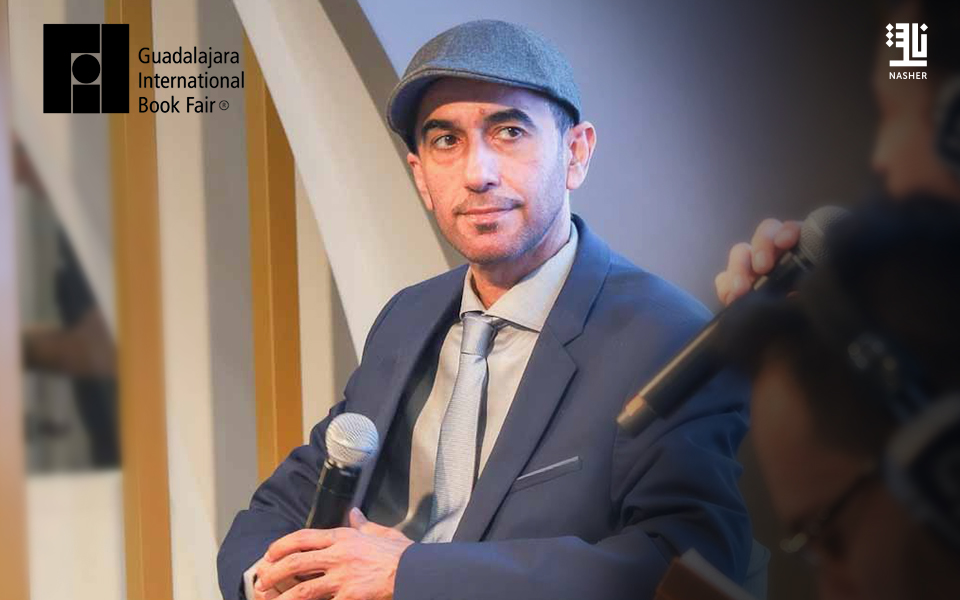
Emirates Writers Union Chairman Sultan Al Amimi emphasized that Arabic vocabulary in Spanish does not only reflect the era of Arabs in Andalusia during the past eight centuries but demonstrates the extent to which Arabs and Spanish speakers, especially Mexicans, share cultural similarities, pointing out that language plays a vital role in bridging cultural gaps.
During the 36th Guadalajara International Book Fair (FIL) as part of Sharjah’s Guest of Honor program, Al Amimi shared his comments on the history and development of Arabic lexicons as well as the influence it had on Spanish. The panel discussion was moderated by Jorge Alberto Pérez.
Al Amimi noted in the session, he discovered that Mexican people have a lot of similarities with their Arab counterparts during a Sharjah delegation visit to the South American country. He pointed out that the Spanish vocabulary has around 4,000 words that have Arabic origins. He pointed out that this large number clearly indicates the impact of the Arabic language in various forms, including phonemic, citing even the appearance of the letter ‘Kha’ (خ) in the Spanish language. On a lexical level, it appears that words were transferred orally, and in addition to the morphological effect and the influence based on humankind’s invention of words, similarities could be found between the two languages to denote a sound or movement like ‘knock’.
Moises Gardino Garcia discussed the emphasis and pronunciation of the Arabic aspects in Spanish, stressing that it reveals the strength of the historical relationship between the two cultures; but also reveals many stigmas, including the inaccurate representation of Arabs by using unreal clichés by some media.
Garcia pointed out that Mexicans need live communication with the Arab world, citing Sharjah’s participation at FIL as a great opportunity. He stressed that communication and knowledge exchange with Arab intellectuals and authors would bridge the gap in the knowledge of Arab culture and its current realities.
In terms of learning the Arabic language in Mexico, he said there are few opportunities, and that more support is required to build bridges with the Arab world.
He pointed out that the diversity of Arabic dialects poses obstacles for non-Arabic speakers, expanding on this he said: “The difference between dialects led to the development of the Arabic language we have today, this was compounded by globalisation and the inclusion of foreign vocabulary into the language.” In his opinion, the matter requires the launch of a study to show the power of lexicons, and in overcoming all of these stigmas and challenges as well as their impact on the Arabic language as a whole.